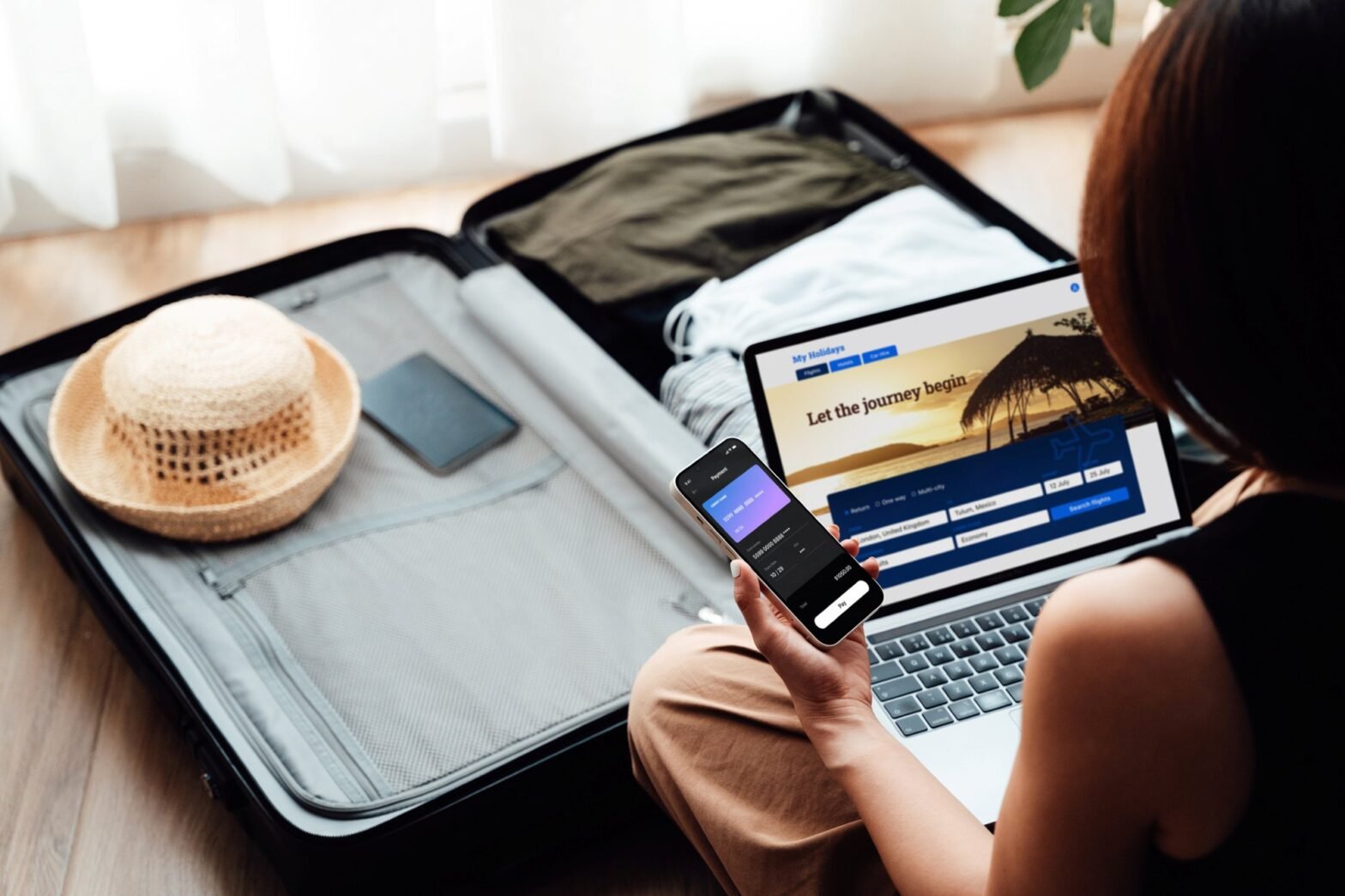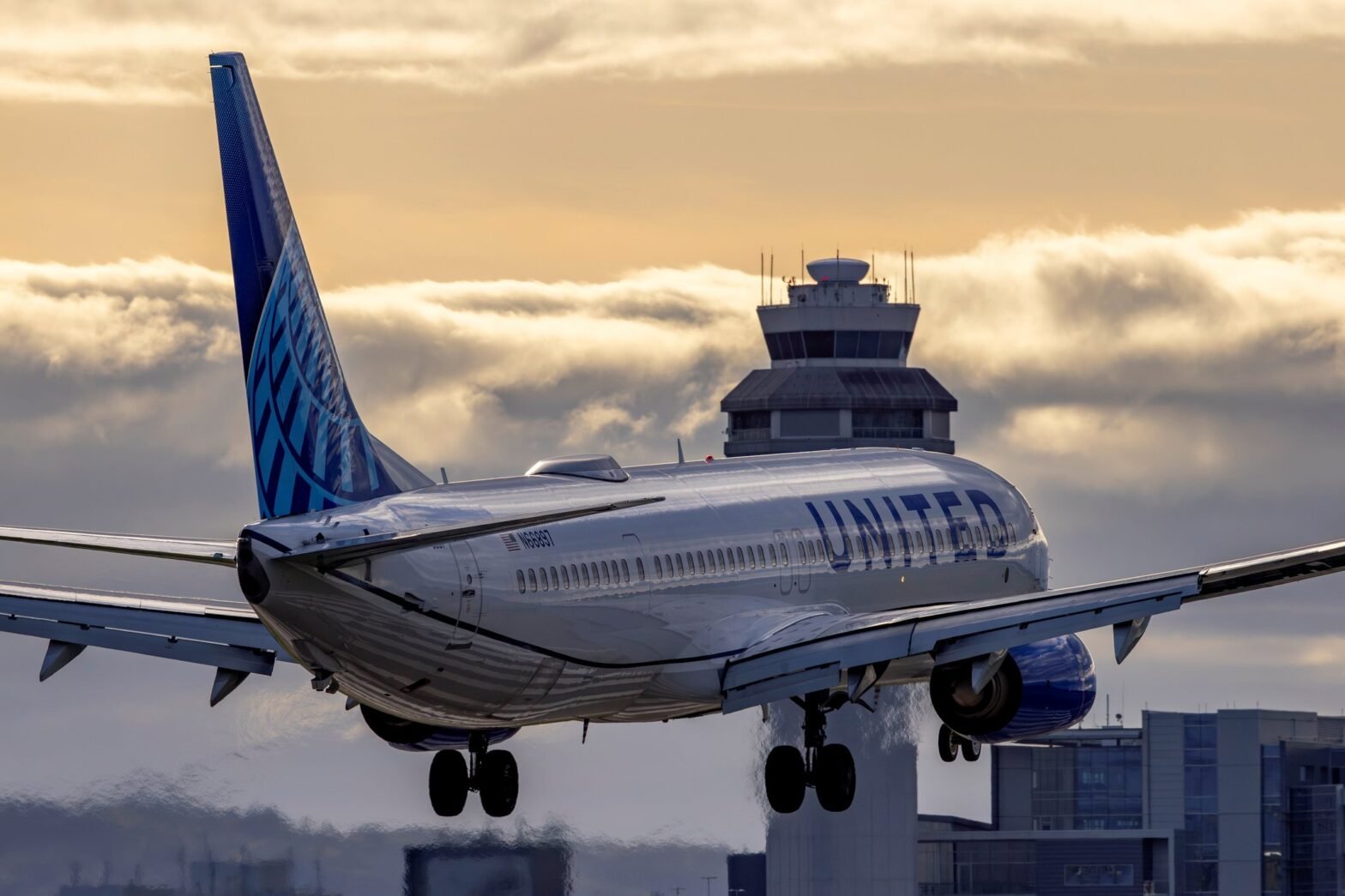
United Airlines has barred unauthorized personal AI assistants from booking flights, a move that separates AI-powered travel searches from automated purchases. The restriction, announced on November 11, comes as AI tools move beyond answering travel questions to handling online transactions. Travelers can ask an AI assistant to compare routes, narrow down departure times, and identify available fares. Some tools can go further, entering account information and moving through checkout without requiring a person to complete every step manually.
Online travel agencies have sold airline tickets for decades, but autonomous AI assistants introduce a different way to make reservations. Rather than relying on travelers to complete each stage of a purchase, these systems can navigate airline websites using information and instructions provided in advance. That can include access to saved payment methods, passenger details, and loyalty accounts. United has raised concerns about the security of this information, as well as the possibility of automated tools making unintended purchases or changes to reservations. Under the new restrictions, travelers cannot authorize outside AI agents to access United’s booking systems without the airline’s permission, even when they have voluntarily shared their account credentials.
Why United Airlines Is Restricting AI Flight Bookings
United’s revised website terms require automated agents to obtain prior written permission before accessing its website or mobile app. Its updated contract of carriage also prohibits AI agents from making, modifying, or servicing tickets and purchasing related products. The definition includes assistants operating with a traveler’s supervision, and the policy extends to travel agencies and booking aggregators.
United cited customer security in its announcement. “Sharing account credentials with personal, third-party, AI assistants can expose sensitive information,” the carrier said. It warned that automated tools could trigger unintended purchases, change account details, or use MileagePlus miles.
The airline also said AI agents could create compliance problems involving Federal Aviation Administration (FAA) and Department of Transportation (DOT) regulations. During check-in, passengers must acknowledge that their bags do not contain prohibited items, including explosives. United said automated check-in could interfere with that required human acknowledgment. It did not say federal authorities had banned all AI-assisted booking.
United CEO Scott Kirby addressed the role of intermediaries at an event in Chicago. “I don’t want to create another middleman,” he said, according to The Wall Street Journal. The newspaper reported that United has detected relatively few AI-agent reservations so far.
What United’s AI Booking Ban Means For Travelers
United says customers can still use AI to research and plan flights, as long as the tools do not access its website or app without authorization. Ordinary browsers, search-engine indexing, and accessibility tools are not affected. Travelers can still purchase tickets themselves, and aviation analyst Henry Harteveldt told CBS News that United flights remain bookable through services including Google Flights, Kayak, and Hopper.
The revised contract lists reservations made, modified, or serviced by AI agents among improper bookings that United says it will cancel without notice. There is an exception for existing bookings. Travel Weekly reported that United will honor reservations made by AI agents before November 11. The airline has not announced agreements authorizing outside personal AI booking agents.
Other airlines are taking different approaches. Southwest Airlines launched a ChatGPT plugin on October 6 that lets customers search for flights and compare options before completing purchases on Southwest’s website. Delta Air Lines and American Airlines have also made allowances for AI-assisted transactions, although their policies differ. Delta permits appropriately authenticated AI tools to complete certain bookings, with customers responsible for authorizing transactions made on their behalf. American allows some AI tools to facilitate ticket purchases while monitoring automated activity and blocking traffic when necessary to protect customers. Both carriers outlined their policies in statements published by Fast Company.
United’s Digital Trust Center provides guidance on protecting customer accounts and responding to unintended actions by AI agents. The airline will continue reviewing its restrictions as the technology develops.