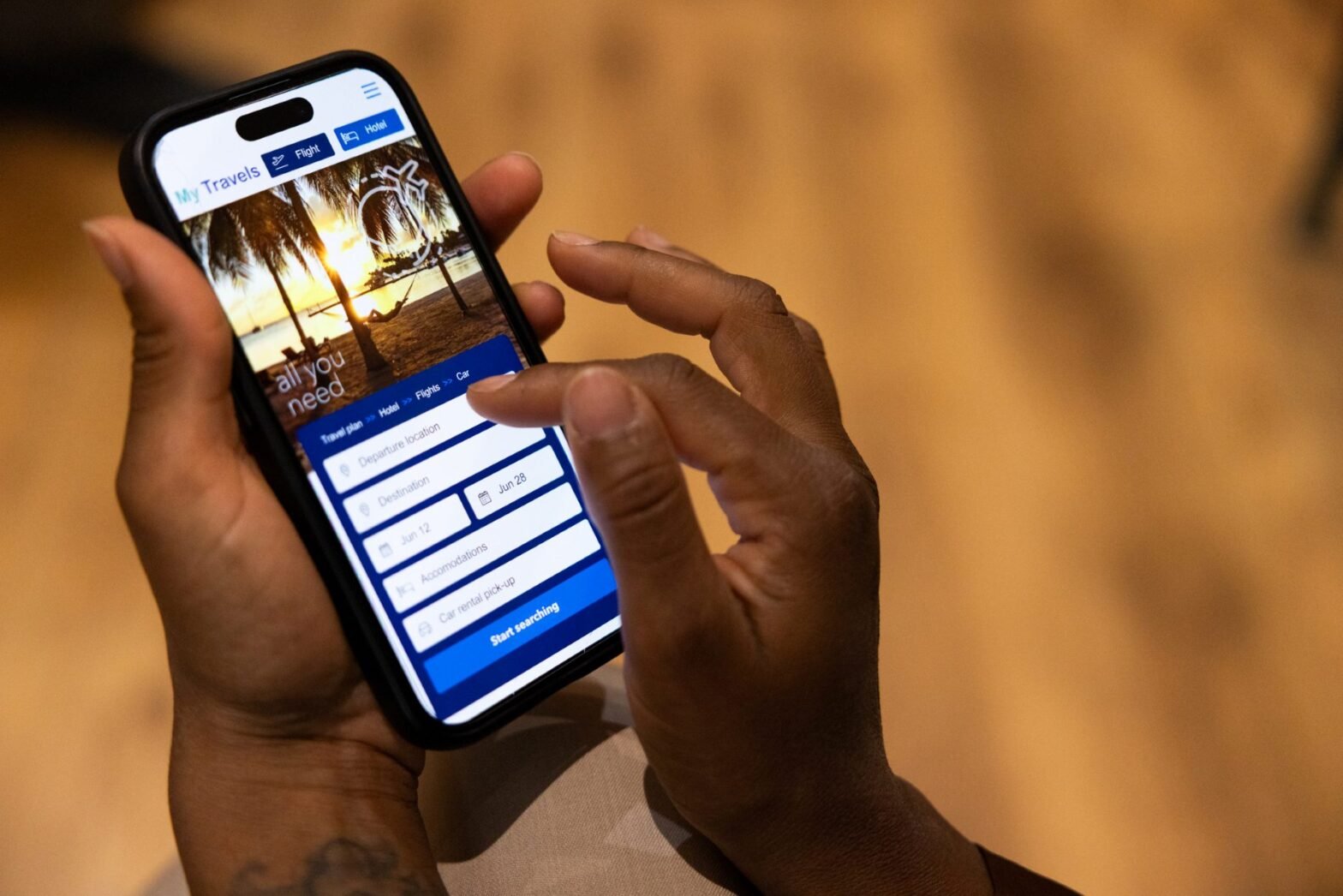
A passenger trying to reach a funeral watched a JetBlue fare climb $230 in a single day and said so on X in April. The airline’s account replied with advice to clear the cache and cookies or book in an incognito window, then deleted the response, and JetBlue told CBS News the reply was one customer service crewmember’s mistake. According to Reuters, New York resident Andrew Phillips filed a proposed class action alleging that JetBlue tracks shoppers on its website to set prices, a claim the airline denies. Federal regulators have since turned the same question toward three of the country’s largest carriers.
On October 28, the Federal Trade Commission (FTC) ordered Delta, United, and JetBlue to show whether a ticket’s price varies from one person to the next based on loyalty program membership or the analysis of personal data. “Consumers deserve to know whether companies use their web surfing habits or other personal data to estimate the highest price they can charge each consumer,” FTC Chairman Andrew N. Ferguson said. Each airline has 45 days from receipt to respond, and the inquiry has not established that any of them sets fares this way.
How AI Is Changing The Way Airlines Price Tickets
Fare swings tied to demand, seat availability, booking time, and competition fall under dynamic pricing. The FTC defines surveillance pricing as a form of personalized pricing that draws on a consumer’s location, demographics, browsing history, shopping habits, or device type to set an individual price.
Delta’s plans for AI-powered ticket pricing began attracting attention in November 2024, when company President Glen Hauenstein discussed its partnership with Israeli startup Fetcherr, as documented by the Atlanta Journal-Constitution. He described a future in which a price would be available “on that flight, on that time to you, the individual.”
By July 2025, Hauenstein had told investors during an earnings call that the system had reached “about 3% of domestic,” with a goal of “about 20% by the end of the year,” AirlineGeeks reported. The remarks prompted questions about personalized fares, which Delta addressed in a July 31 letter to three senators. Executive Peter Carter maintained that the technology relies on aggregated data and recommendations reviewed by pricing analysts, insisting that the airline’s ticket pricing “never takes into account personal data.”
Airlines for America, the trade group for major U.S. carriers, maintained that its members do not engage in personalized pricing in a statement to The Points Guy. The publication also spoke with Mark Tremblay, a pricing strategy expert at the University of Nevada, Las Vegas, who described a carrier raising holiday fares during a week its data shows wealthier travelers tend to book. “I would argue that this is personalized pricing in disguise,” he said.
Could Your Personal Data Change The Airfare You See?
Garrett Scott, a University of Mississippi economist, told The Points Guy that travelers often fear fares climb in response to their own repeated searches, adding that he is “not 100% convinced” that is happening. The FTC order asks each airline to identify pricing tools that use personal information, name third parties that supplied relevant tools or data, and describe its pricing research and A/B tests dating back to January 1, 2021.
Under Section 6(b), the study carries no specific law enforcement purpose, and Ferguson has acknowledged the commission lacks authority to ban personalized pricing in every circumstance. In August, the agency proposed a policy statement describing how undisclosed use of personal information to set a price unique to a consumer could violate the FTC Act.
Consumer Reports senior policy analyst Grace Gedye responded that “it should not be consumers’ responsibility to read detailed disclosures” and called on the FTC, Congress, and states to prohibit companies from using individual data to personalize prices. Sen. Ruben Gallego’s One Fair Price Act would prohibit certain forms of surveillance-based pricing and extend FTC enforcement authority to airlines. Each airline must also provide the exact wording of any disclosures about these practices, where they appeared (including website URLs where applicable), and the dates they were shown to customers.