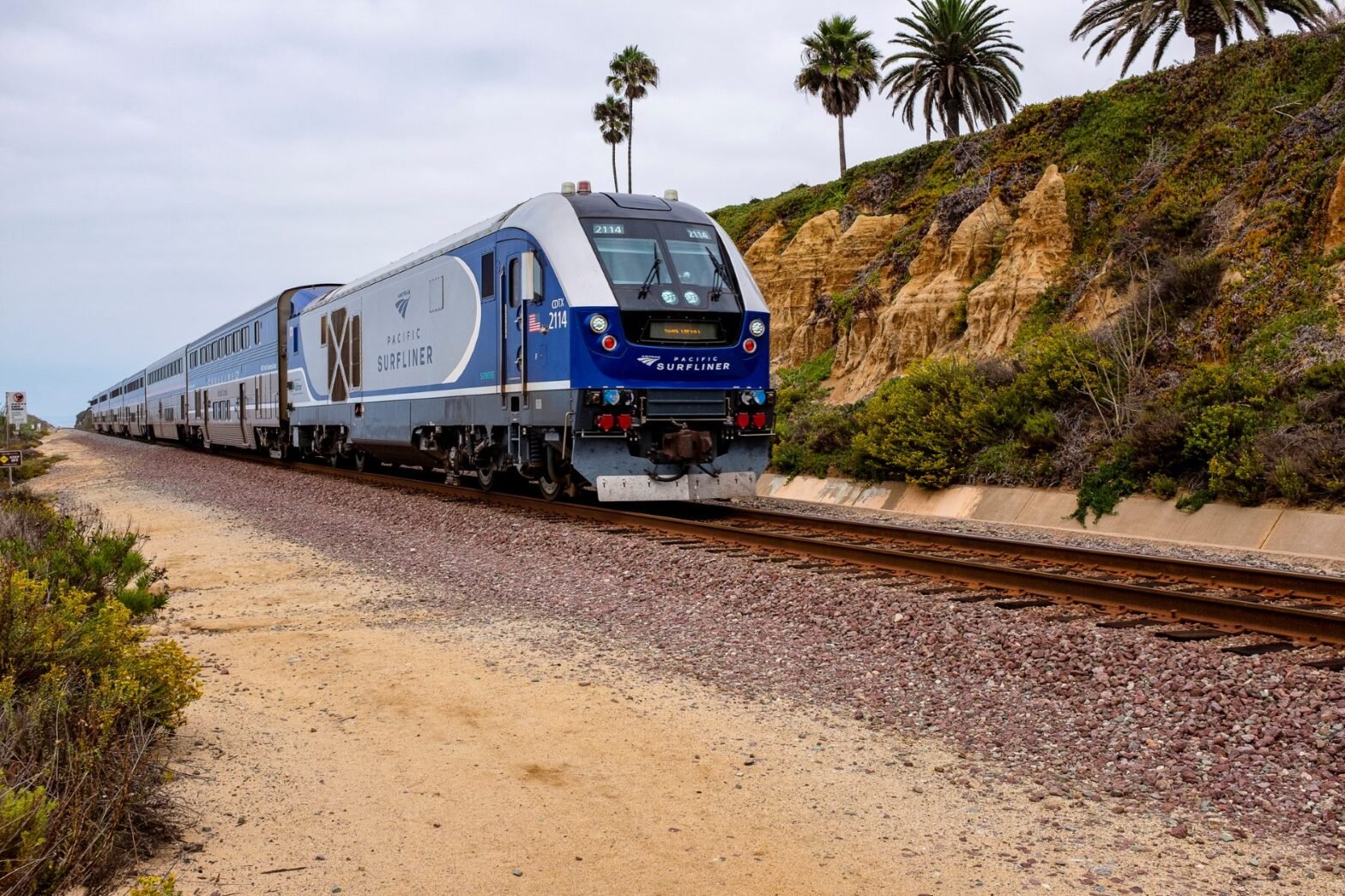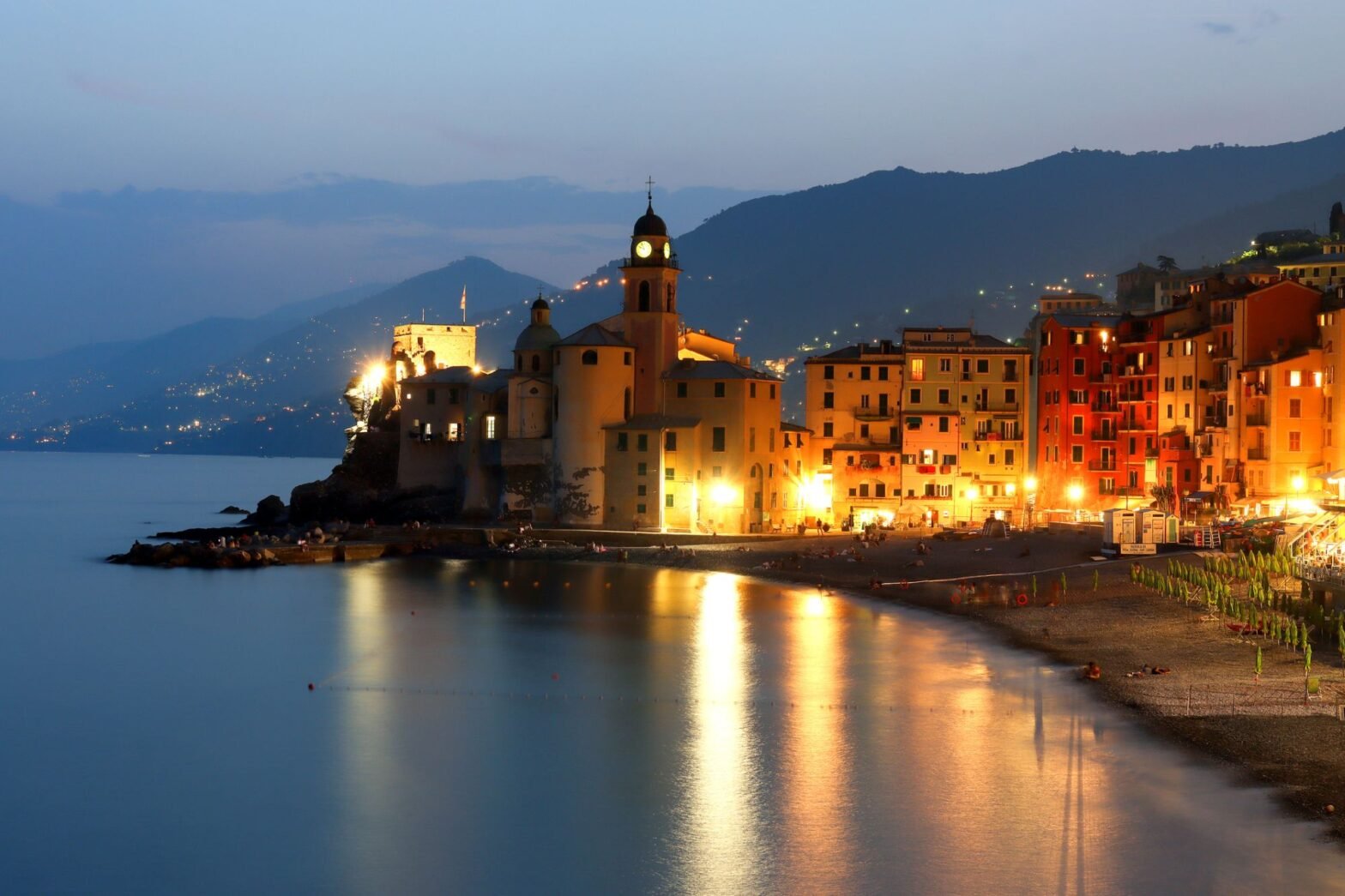
A beach day in Cascais begins at a railway station in central Lisbon, where travelers can board a train at Cais do Sodré and follow the Tagus west past the 25 de Abril Bridge and Belém Tower to the Atlantic coast. The route has served Lisbon’s coastal communities since its first section opened in September 1889, six years before trains reached Cais do Sodré. Today, it connects the capital with a seaside town whose beaches and historic center are within walking distance of the station. That convenience is especially useful in summer, when finding parking near popular beaches can take time and add to a day trip’s cost.
In Villefranche-sur-Mer, paid lots fill up by midday in high season, while street parking along Cefalù’s seafront costs €2 ($2.23) an hour. Rail travel still requires some planning, especially when engineering work affects services or evening departures become less frequent. As for the beaches themselves, the European Environment Agency’s latest assessment, released in June 2026, rated 88% of the EU’s coastal bathing sites excellent for the 2025 season.
“Europeans can enjoy some of the world’s highest bathing water standards,” Jessika Roswall, the EU commissioner for environment and water resilience, said in the agency’s release.
Camogli, Italy
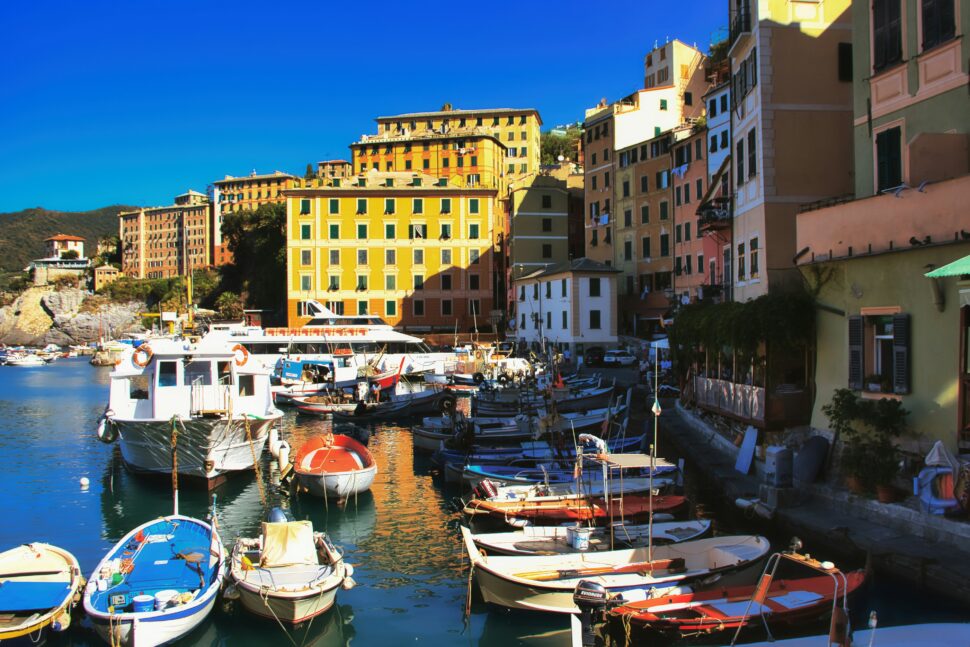
Camogli’s painted houses overlook a pebble beach backed by cliffs and the wooded slopes of the Portofino promontory. The train from Genova Piazza Principe takes about 25 to 55 minutes, depending on the service, and fares start at around €4.60 ($5.12). From Camogli-San Fruttuoso station, the beach is about a five-minute walk downhill.
Give the morning to the beach, which held Blue Flag status in 2024, 2025, and 2026, then follow the promenade to the rocky point once called l’isola, where the 12th-century Basilica di Santa Maria Assunta stands beside the Castello della Dragonara, a medieval fortress built to defend the village against pirate raids. The castle opens to visitors during scheduled exhibitions and events, while the terrace beside the church looks straight back across the bay. In the afternoon, Golfo Paradiso boats leave the harbor for San Fruttuoso, an abbey in its own cove with no road access, reached only by hiking trails.
Villefranche-sur-Mer, France
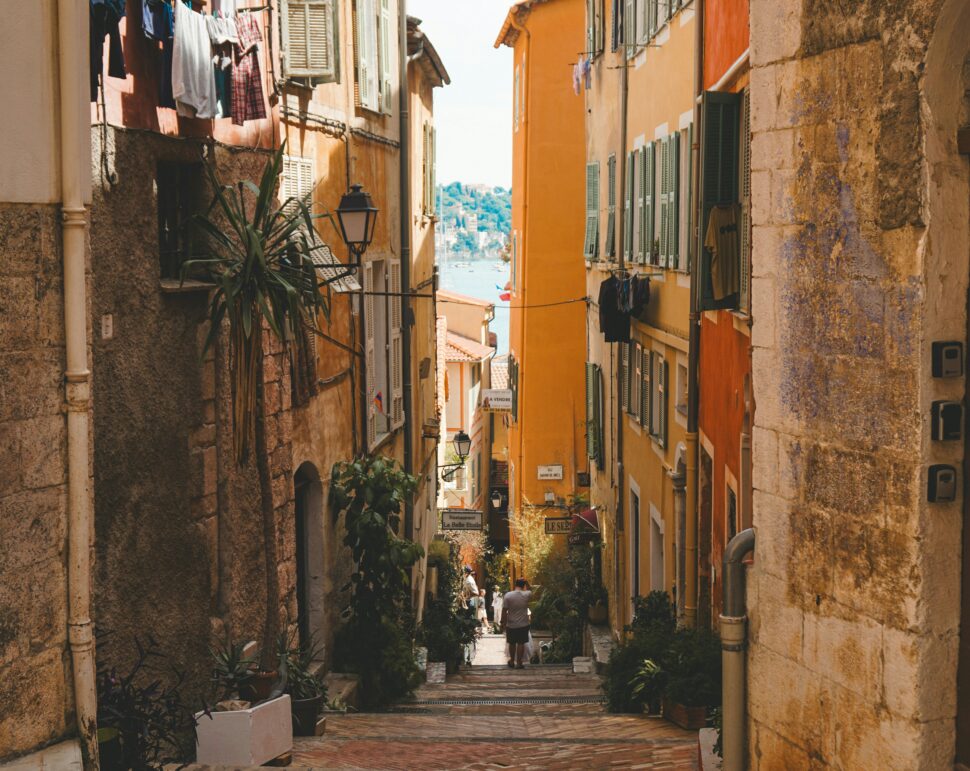
Villefranche-sur-Mer needs almost no planning, with TER regional trains from Nice-Ville arriving in about seven minutes for €3.60 ($4.01). France’s national railway company, SNCF, runs more than 60 round trips a day. The station sits between the old town and Plage des Marinières, the long curve of golden sand that draws most visitors. However, the way up to the village square involves steep stairs that are not suitable for strollers or wheelchairs.
In the old town, the Rue Obscure, a medieval passage dating to 1260, runs below the houses, and the 16th-century Citadelle Saint-Elme overlooks the harbor. Save time for the Chapelle Saint-Pierre on the quay, which Jean Cocteau painted inside and out with scenes of Mediterranean life and the story of Saint Peter, unveiling the work in June 1957. The chapel closes each year from mid-November to mid-December.
Sitges, Spain
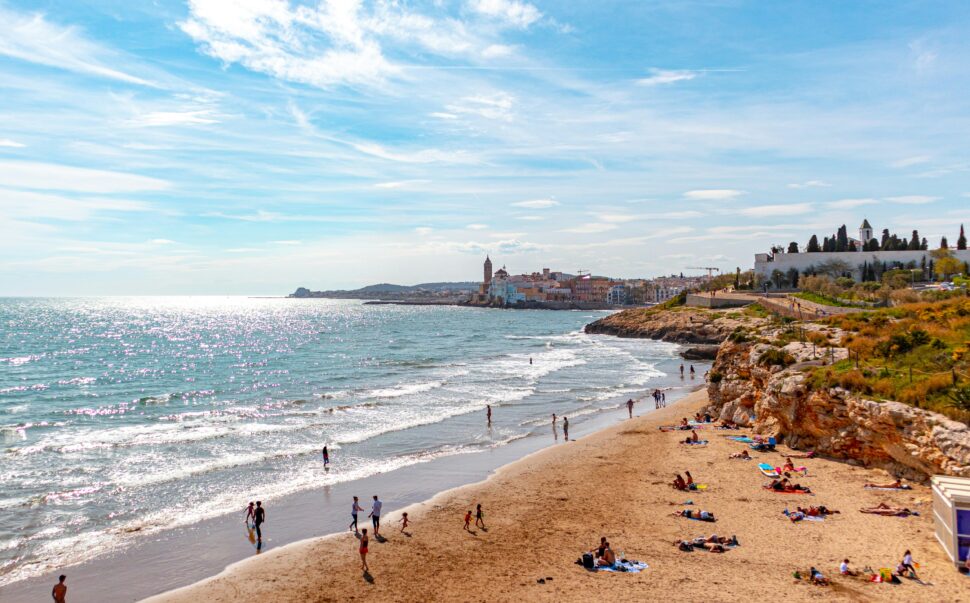
The artists who came to Sitges at the end of the 19th century gathered at Cau Ferrat, the seafront home and studio of painter and writer Santiago Rusiñol. The house opened as a museum in 1933 and still holds his paintings by El Greco, alongside what Spain’s tourism board calls the world’s largest collection of wrought iron. The same ticket covers the neighboring Maricel Museum. Afterward, walk down to the seafront, where one of Spain’s earliest chiringuitos still operates, having received that name in 1943.
Beachgoers can choose between Platja de la Fragata, below the Sant Bartomeu i Santa Tecla church, and Platja de la Ribera, downhill from the station. Rodalies R2 Sud trains depart from Barcelona Sants, Passeig de Gràcia, and Estació de França, reaching Sitges in 35 to 45 minutes. A single ticket costs €5.50 ($6.12) under the operator’s 2026 tariffs, with Sitges falling in the network’s fourth fare zone. Look for “Sud” on the departure board, since R2 Nord trains head the other way.
Cefalù, Italy
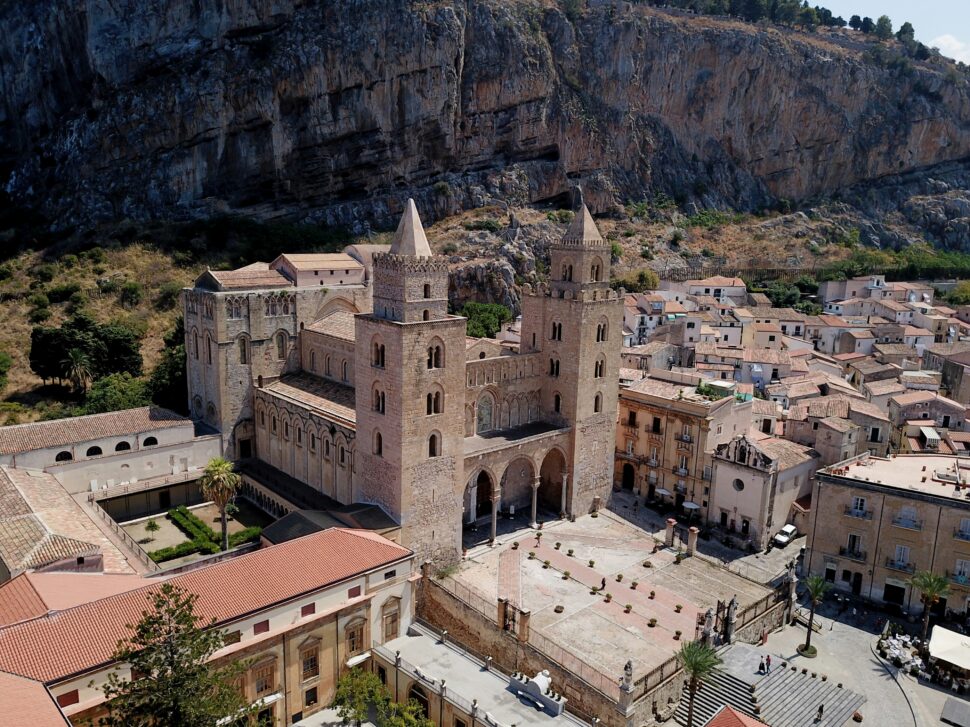
Cefalù sits beneath the Rocca, a limestone crag nearly 900 feet high. Its twin-towered cathedral, begun by Roger II in 1131, rises between the rock and the sea, with a gold mosaic of Christ Pantocrator filling the apse. The cathedral has been part of UNESCO’s Arab-Norman World Heritage Site since 2015. From the cathedral square, the traffic-free Corso Ruggero leads through the old town toward the main beach. Here, fine, light sand slopes gently into the water, with free stretches alternating with paid beach clubs.
Trenitalia runs regular trains from Palermo Centrale, with fares starting around €7.10 ($7.90) and direct journeys taking 40 to 60 minutes. Cefalù station is about a 10-minute walk from the beach. Check the return timetable before making evening plans, as departures become less frequent later in the day and the last service varies by date.
Cascais, Portugal
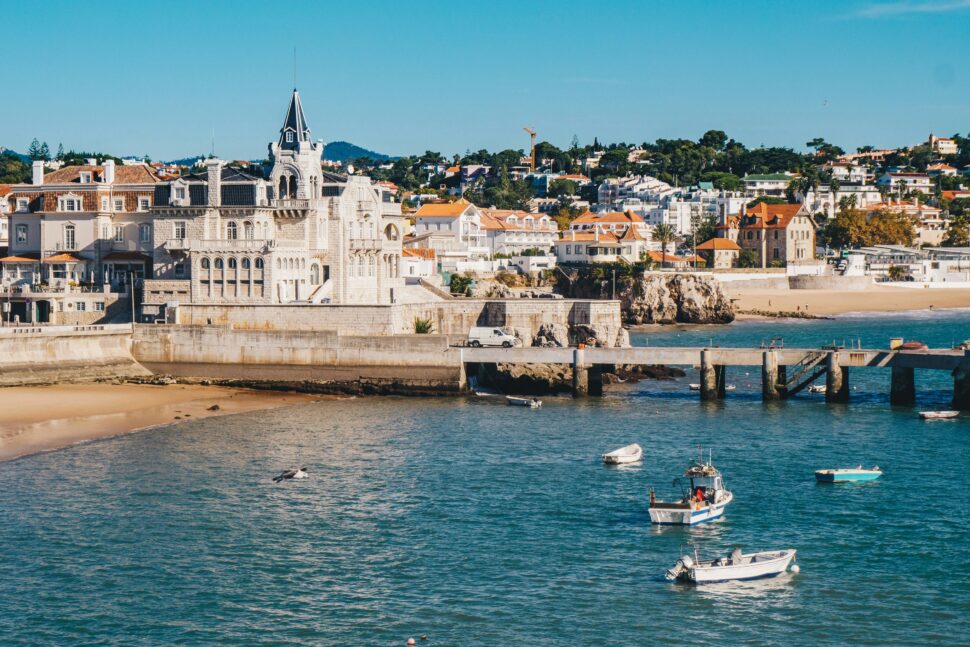
Trains from Cais do Sodré generally depart every 15 to 30 minutes and reach Cascais in approximately 30 to 40 minutes, depending on the departure. A single ticket costs €2.55 ($2.84) under CP’s 2026 urban fares. Engineering work has replaced some trains with buses during modernization this year, so check CP’s notices before setting out.
Get off at Estoril for Praia do Tamariz, or ride to the terminus on CP’s combined ticket, which adds 24 hours of entry to several museums in Cascais. From the bus terminal beside the station, Carris Metropolitana’s line 1624 climbs the coastal road to Cabo da Roca, mainland Europe’s westernmost point, on selected journeys, taking about half an hour.