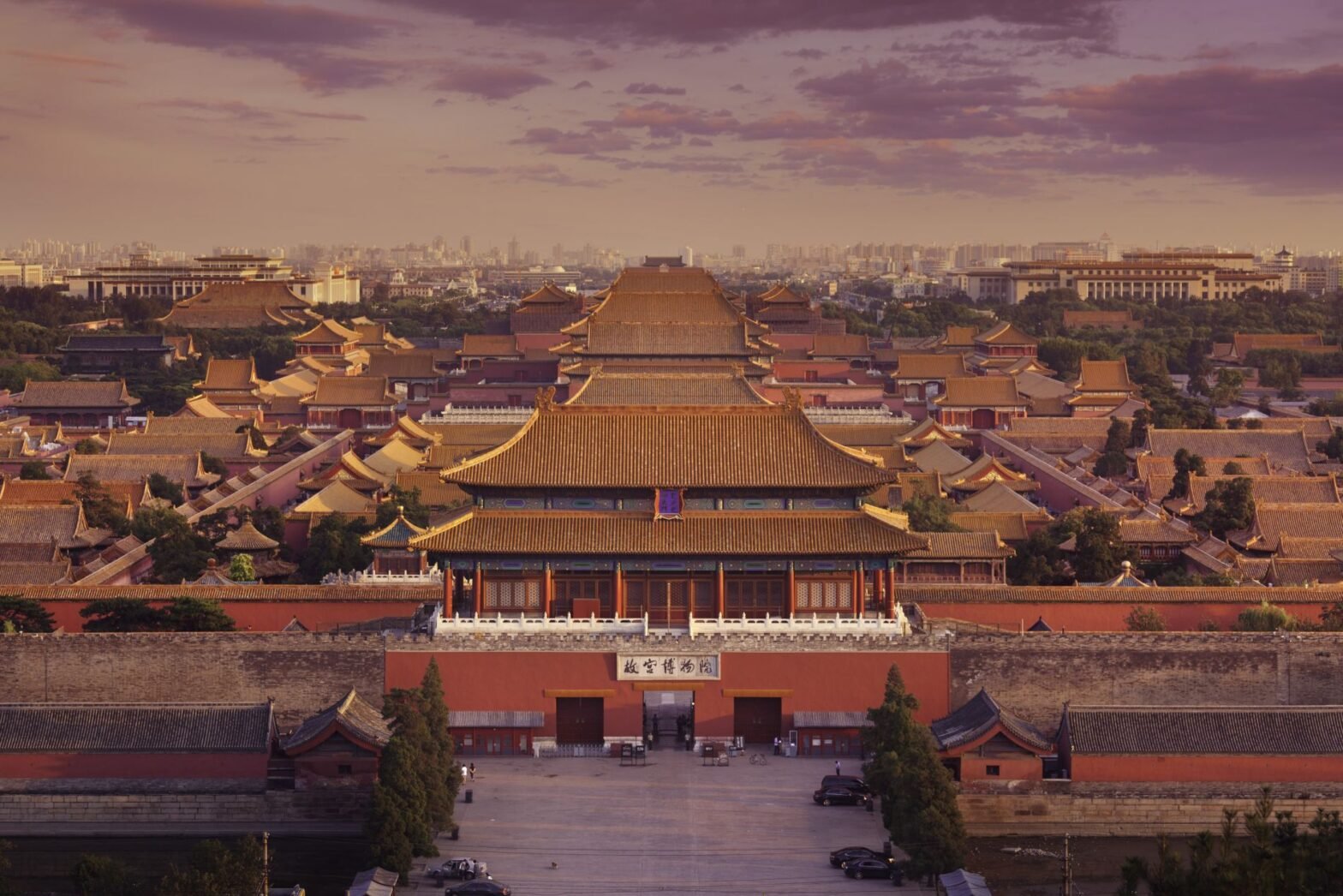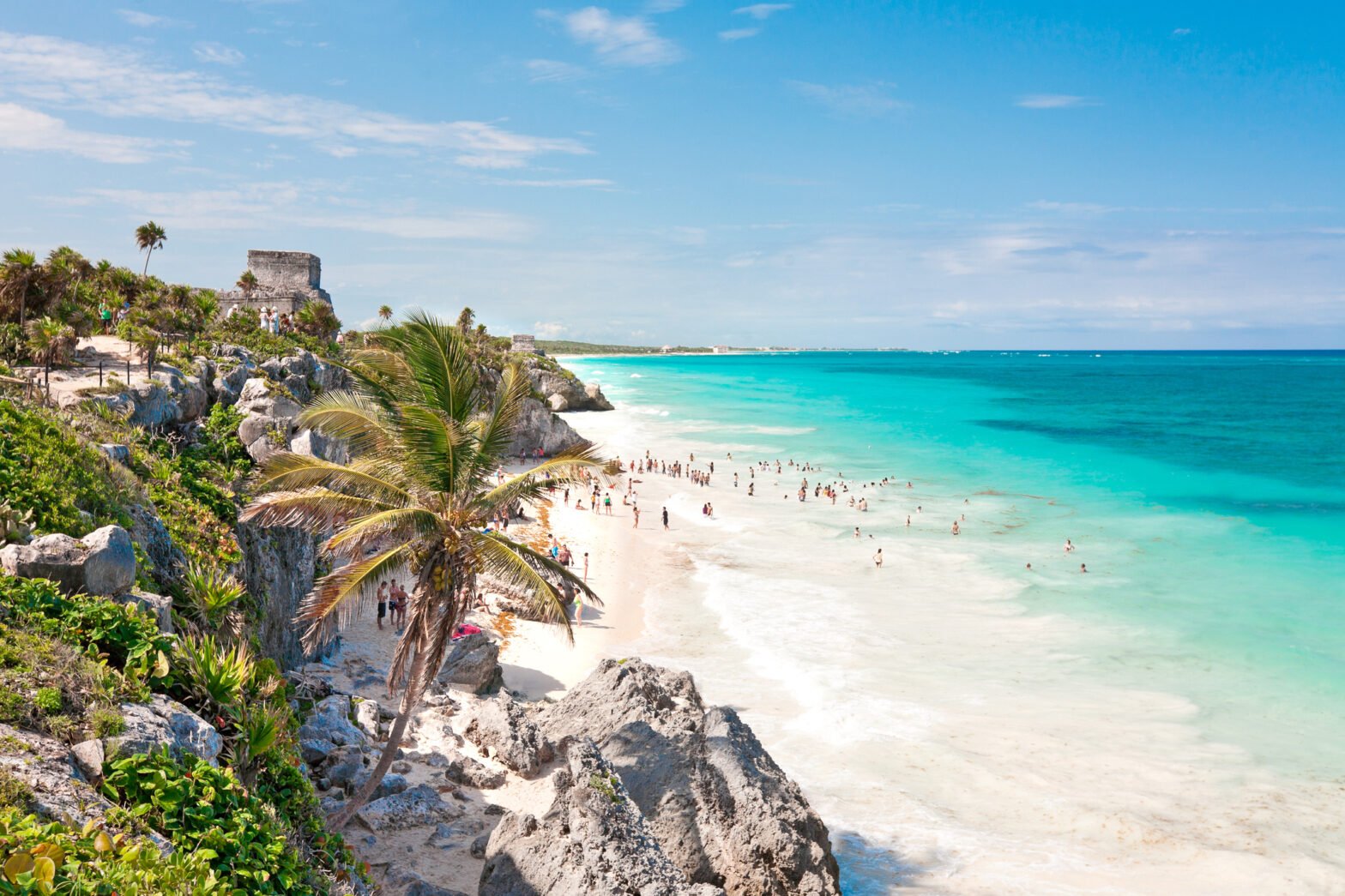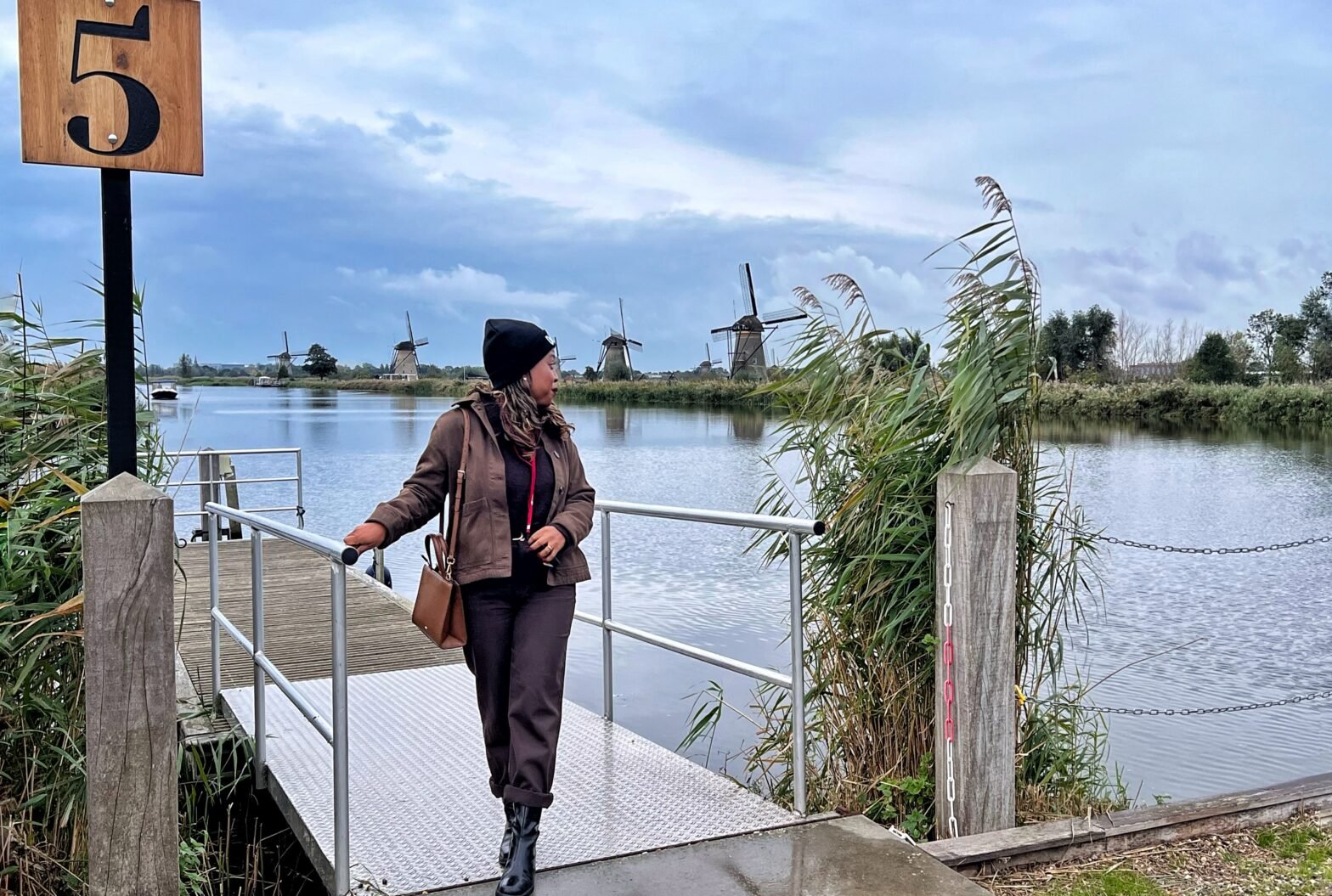
The first thing Morocco took from me was my sense of time and direction. The second and third were my camera roll and willpower around the country’s staple cuisine: tagine.
It was love at first bite. Fresh off a 12-hour flight from Houston, I dropped my bags off at the hotel and immediately messaged Restaurant Moulay Food on WhatsApp to ask if they were open. I arrived on Rue Ibnou Nafiss, El Maârif, Secteur 20, just before noon to find the owners of the family-run spot tending a row of tagines simmering over charcoal outside: lamb, beef, chicken, and vegetables.
There was one problem. The restaurant was open, but the tagines wouldn’t be ready for another hour. The owners saw the defeat on my face and, instead of sending me off hungry, promised me the first one off the fire. It was chicken and potatoes, slow-cooked to perfection and satisfying to the depths of my stomach and soul.

That meal set the tone for the whole trip. Northern Morocco is full of warm welcomes, chances to slow down and get lost, and the kind of surprises you only find when you lift the lid on a tagine. Over 10 days, I traveled with Exodus Adventure Travels from the Atlantic breeze of Casablanca to bohemian, seaside Tangier, where Africa and Europe meet, then into the blue-washed mountain town of Chefchaouen and finally the ancient maze of Fez.
Marrakech is often the first stop and the city everyone posts about. But northern Morocco has a depth and variety that often gets overlooked, and four cities with four completely different personalities. Here’s why it deserves a spot at the top of your list.
Casablanca: The Grand Entrance To Northern Morocco

If northern Morocco is a mansion, Casablanca is the grand foyer. Sitting on the Atlantic coast, it’s Morocco’s largest city, with about 3.2 million people. It’s also home to the country’s busiest international airport, so there’s a good chance your trip will begin in Casablanca.
Casablanca is Morocco’s economic heart, and you feel that energy everywhere: in the traffic, the cafes, and the crowds downtown. But as you wander the local shops, the beachfront, and the old medina, you’ll see the blend that makes the city special. It’s where centuries-old tradition sits alongside a modern skyline.
Then there’s the Hassan II Mosque. I first saw it lit up at night and was captivated by its regal beauty. According to our local guide, the mosque can hold up to 105,000 worshippers, making it one of the largest in the world. Our guide also said it took 10,000 craftsmen and 2,500 workers just seven years to build it. It’s also one of the few active mosques in Morocco that welcomes non-Muslim visitors.
A few tips: an Uber from downtown costs less than $3, and you’ll need to cover your arms and knees. If you plan, you can also book a session at the traditional hammam beneath the mosque, which is open to everyone. As for Rick’s Café, the famous spot inspired by the film “Casablanca,” I’d skip it. It’s beautiful inside, but the food is overpriced, and you can find better meals. Head instead to La Sqala, a Moorish café tucked into a fortified bastion in the old medina. The food is delicious (it served one of my favorite tagines of the whole trip), and the juices and smoothies are refreshing. The live music and traditional mint tea service made it feel like a true Moroccan experience.
Tangier: Where Two Continents Meet

Just over two hours north of Casablanca by high-speed train, or about three and a half hours by car, is Tangier. It sits at the very tip of Africa, where the continent meets Europe. On a clear day, you can see Spain across the Strait of Gibraltar. While Casablanca hums with bustling business energy, Tangier feels bohemian and laid-back. We slowed down a bit in Tangier.
Tangier has long been a melting pot of continents and cultures, so the best place to start is where the city began: the medina. Its whitewashed alleyways are packed with spice stalls, artisan shops, and tiny storefronts. The architecture reflects centuries of Moroccan, Andalusian, Spanish, and Portuguese influences.
At the top of the medina sits the Kasbah Museum, housed in a former sultan’s palace, with sweeping views of the Strait of Gibraltar. From there, wander down to the Petit Socco, a small square lined with cafes that make a great place for people-watching (and more Moroccan mint tea).
A short drive west of the city, the Caves of Hercules were another regional highlight. Legend says the Greek hero slept here before his 11th labor, retrieving the Golden Apples of the Hesperides. The showstopper here is the cave’s sea-facing opening, which many say is shaped like the map of Africa. It was mesmerizing to see the Atlantic crashing just beyond this viewpoint. Expect the crowds. If tight or dark spaces aren’t your thing, you may want to skip this. It’s not too cramped, but it can be disorienting.
Nearby, the Cap Spartel Lighthouse offers sweeping views where the Atlantic Ocean meets the entrance to the Mediterranean. A popular sign marks the meeting point of the two waters, and it draws insanely long lines for photos. If you have the patience to wait, or the energy to beat the tour buses with an early start, the views are worth it.
Chefchaouen: Where Feeling Blue Never Looked So Good

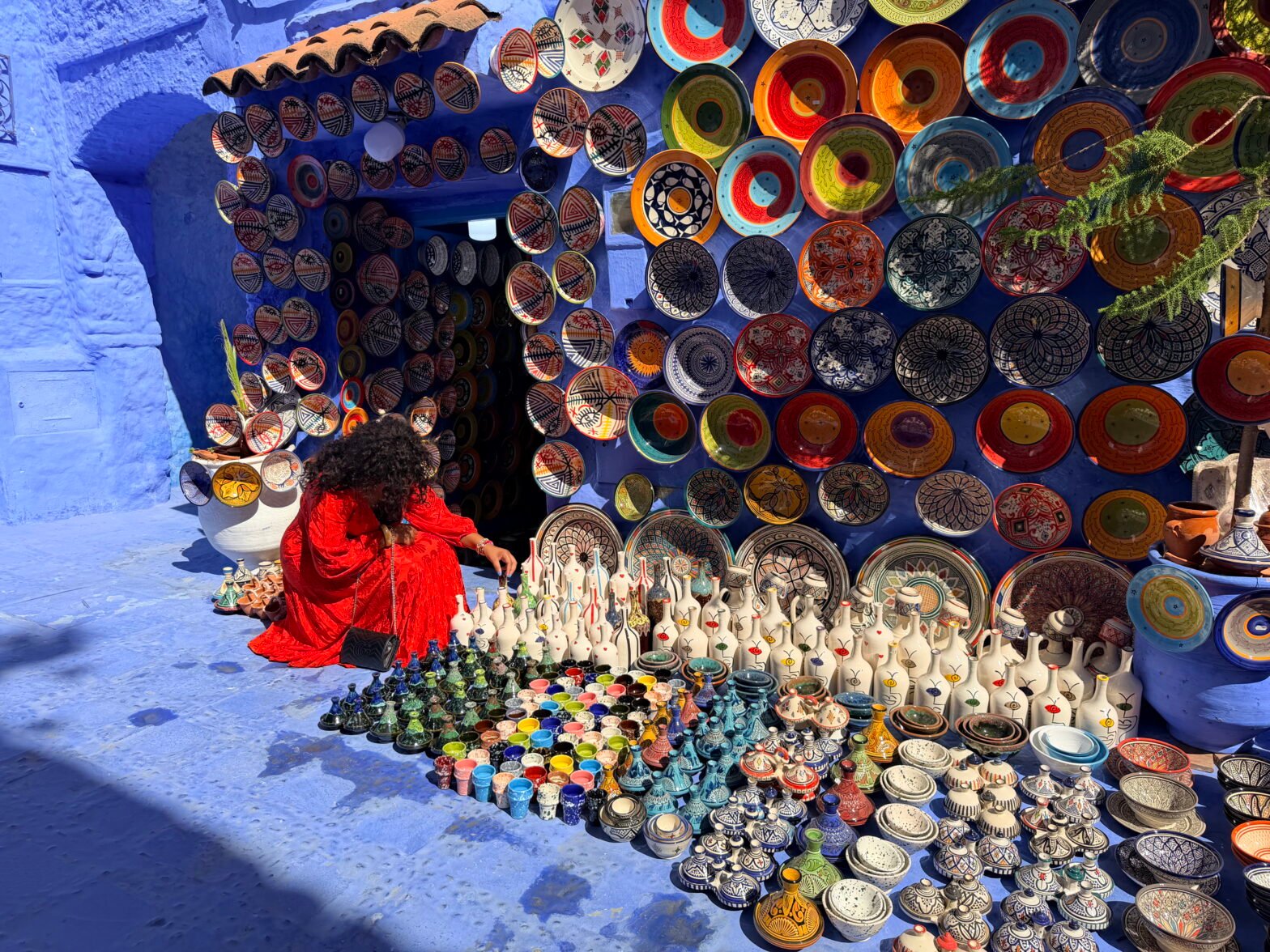
Whenever I tell friends I visited one of the bluest cities in the world, the ones who skipped Chefchaouen say it’s their one regret. I understand why. Tucked into the Rif Mountains, it’s not the easiest location to reach. Also, its fame has brought real concerns about overtourism. What I found during my visit is that you can visit respectfully while supporting local businesses. Truthfully, it’s just that beautiful.
Every corner, staircase, and doorway seems painted and designed for a postcard. It’s easy to lose an entire afternoon chasing the blues on the streets. But beyond the color, its deep, rich history can be easy to overlook.
Step into Chefchaouen’s medina and you’re walking through a centuries-old blueprint for community. Traditionally, each self-sustaining neighborhood was built around five essentials: a communal oven, a hammam (public bathhouse), a mosque, a Quranic school, and a public water fountain. What struck me most was that the communal ovens are still in use. Today, they’re living history, where neighbors still buy their bread and gather just as families have for generations. Being in the middle of that shared rhythm felt special. If you have time, take a bread- or pastry-making class.
Fez: Get Lost In Place Where Time Stood Still

On the roughly six-hour drive to Fez from Chefchaouen, we stopped at Volubilis, a UNESCO World Heritage Site and Morocco’s largest, best-preserved Roman archaeological site. Walking past the structures was mind-blowing, as was learning that the triumphal arch predates the one in Paris.
In Fez, we finally stayed at a Riad, a traditional Moroccan home built around an interior courtyard. Our stay at Riad Des Tresor set the tone for a city where time seems to stand still. stood still.
The medina of Fes el-Bali is the closest thing to time travel you’ll find. The UNESCO World Heritage Site is one of the world’s largest car-free urban areas, so goods move around the old-fashioned way. At one point on our way to the tanneries, we stopped as donkeys passed through the road carrying goods. The tanneries themselves took some adjusting to. A dab of Tiger Balm under my nose and a sprig of mint did absolutely nothing for the smell. But it didn’t deter me from getting lost in the ancient alleys afterward, which is exactly what Fez calls us to do.

From Casablanca to Fez, the north rewards anyone who is willing to slow down. Marrakech may get the spotlight, but the north stays with you long after your trip ends. The only rule you need to live by when visiting is to say “yes.” That’s yes to the mint tea (for heavy coffee drinkers like myself), yes to getting lost on purpose, and yes when someone suggests a tagine. Just remember to take a second before you lift the lid. That’s where the best surprises are.