The Gambia, the smallest country in mainland Africa, is affectionately nicknamed the continent’s “Smiling Coast” thanks to its welcoming locals and warm hospitality.
Surrounded by Senegal except for its Atlantic Ocean coastline, the small West African destination is home to just under 3 million people. Beyond its reputation for friendly hospitality, it also offers stunning, uncrowded beaches and opportunities for spectacular wildlife viewing. As a heritage travel destination, The Gambia also attracts visitors to Kunta Kinteh Island, a UNESCO World Heritage Site “particularly significant for its relation to the beginning of the (transatlantic) slave trade and its abolition.” Moreover, they can learn about the Mandinka, Fulani, and Wolof ethnic groups.
Below, find a thorough guide about safety information and travel advisories that are crucial to consider before planning a trip.
Official Travel Advisories
The United States government last updated its advisory for Gambia in January 2026. The State Department classifies Gambia as a “Level 2” destination where tourists should “exercise increased caution.” The travel advisory also lists risk indicators that reflect concerns of “crime, unrest, and inadequate health infrastructure” in Gambia.
In contrast, the Canadian government advises travelers to “exercise a high degree of caution” in Gambia, citing risks of petty crime and theft in markets, hotel rooms, and from vehicles. The United Kingdom government notes similar risks of theft in markets, crowded places, hotel rooms, isolated beaches, and “venues outside the main tourist areas.”
The U.S. Centers for Disease Control and Prevention (CDC) currently has a “Level 1” travel health notice for Gambia, noting that travelers should “practice usual precautions.” The notice also flags the global measles crisis, stating that “travelers should be fully vaccinated against measles with the measles-mumps-rubella (MMR) vaccine.” The CDC also recommends that most travelers to Gambia get routine vaccines (chickenpox, diphtheria, tetanus, pertussis, the flu, polio, and shingles), as well as vaccines or preventive medications for COVID-19, chikungunya, hepatitis A, hepatitis B, malaria, typhoid, and yellow fever, as appropriate. Certain travelers should also be vaccinated against rabies, monkeypox, and meningococcal disease. To stay safe, travelers should also avoid contaminated food, water, bug bites, and sick people.
Is Gambia Safe For Tourists And Solo Travelers?
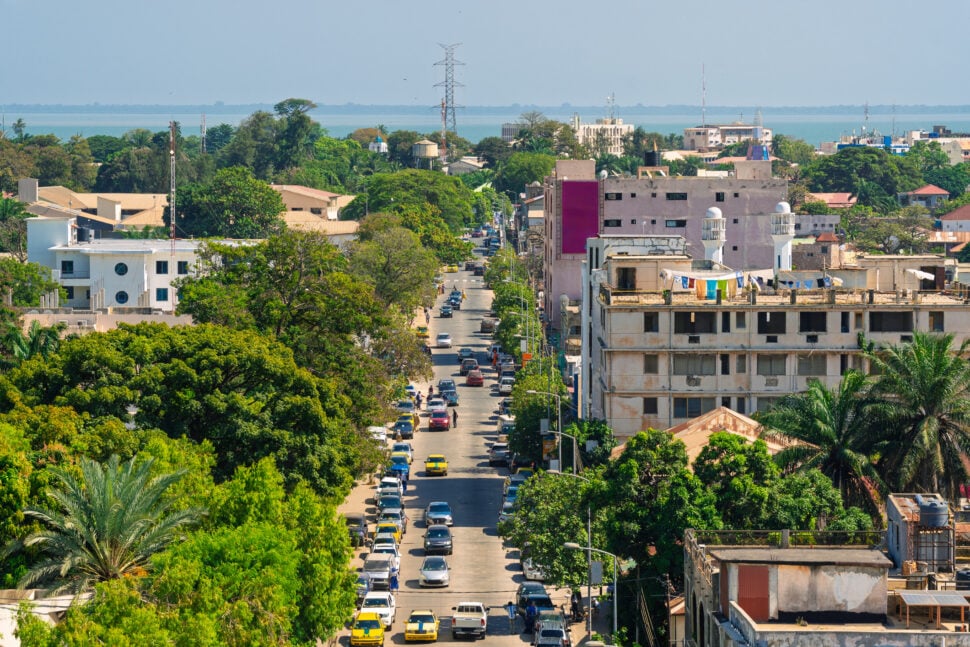
The State Department says Gambia’s tourism industry “is not well regulated.” However, the country has a history of offering warm hospitality, and travelers need to appropriately and realistically weigh the risks and rewards of a visit.
Crime
Travelers should also protect themselves from pickpocketing as best they can.
Transportation
Prioritize the safest route, even if it’s not the fastest. Road and driving conditions both in and outside the capital can be poor, especially during the rainy season. Consider arranging a driver for the entire trip for maximum convenience. If you’re stopped at a checkpoint, cooperate with the authorities.
Bank Safety Information
Be cautious and wary of making money transfers. Never share your banking or private information with strangers, including those that you’ve never met in person.
Health
Medical care can be difficult to access and may be far away, depending on where you are in Gambia. Ambulance services aren’t widespread. You may need to pay upfront in cash to receive medical care. In serious emergencies, it’s possible that you’ll need a medical evacuation to another country. Medical facilities in Gambia may lack enough staff or supplies.
Accessibility for travelers with disabilities may be limited in Gambia.
Travel to Gambia with any medications you may need, but only if you have verified beforehand that they are legal to bring into the country. Also, keep medication in its original packaging and carry proof of your doctor’s prescription.
If you are a foreigner in the West African country, it’s strongly advised that you don’t drink the local tap water.
Common Scams To Be Aware Of In Gambia
The State Department recommends that travelers in Gambia “beware of bumsters.” The agency describes these individuals as men who approach tourists under the guise of offering tour guide services, providing assistance, or pursuing a romantic relationship (potentially leading to a romance scam). They may later demand payment from the targeted tourists.
To stay safe, travelers are advised to “be polite but firm in turning down unwanted help or attempts at conversation.”
As with anywhere in the world, if you’re using dating apps, stay cautiously aware of strangers and avoid dangerous situations.
How To Stay Safe In Gambia
Avoid the Casamance region near the Senegal-Gambia border, where “separatist rebels operate,” according to the Canadian government.
The State Department advises avoiding protests in Gambia and notes that demonstrations can be “unpredictable.”
As with travel anywhere, monitor local news before and during your trip to stay informed about general happenings, weather, and traffic. Also, stay aware of your surroundings at all times, store your valuables (cash, travel documents, jewelry) securely, and avoid walking alone at night.
Make sure the doors are locked and the windows are rolled up during car rides, especially in busy areas.
Don’t photograph people without their permission. Know that taking photos or recording in or around military installations, airports, or government facilities is prohibited. During your visit, you will be subject to local laws.
Know that cannabis is illegal in Gambia for both medical and recreational use.
Before visiting Gambia, make sure that you have travel health insurance.
Where To Stay In Gambia
Highly rated hotels worth considering include the Coco Ocean Resort & Spa Hotel, Sunbeach Hotel & Resort, and the Senegambia Beach Hotel.
Best Time To Visit Gambia
Gambia can be an ideal alternative for those who want a Detty December destination besides Accra, Ghana, and Lagos, Nigeria. The best time to visit Gambia is during its peak season, between December and February. If going then, you can expect warm, sunny, non-humid days and cool evenings.
People Also Ask
Is Gambia safe for women? Female tourists in Gambia may experience harassment in the form of catcalling.
Is Gambia safe for LGBTQIA+ travelers? The LGBTQIA+ community may face discrimination in Gambia. Also, engaging in same-sex relations is punishable there, with the maximum sentence being life in prison.
Is Gambia safe for children? The State Department advises parents/guardians to carry each child’s birth certificate when traveling to Gambia. If a child is traveling alone or with an approved adult, they should have a permission letter from their parent(s) or guardian(s). Additionally, a parent traveling to Gambia with their child without the minor’s other parent must provide a notarized consent letter from the other parent, or proof of sole custody.
Is Gambia included in the U.S. travel ban? Yes, the Trump administration currently has Gambia included in its expanded list of places it is subjecting to a travel ban, barring certain foreign nationals from entering the U.S.
Should You Still Travel To Gambia?

Travelers need to use their judgment about whether Gambia is safe to visit. Safety advisories vary, and risk factors may be higher for women, those with disabilities, or those of the LGBTQIA community. Factors involved in travelers’ decision-making should include:
- Government travel advisories
- Familiarity with the destination
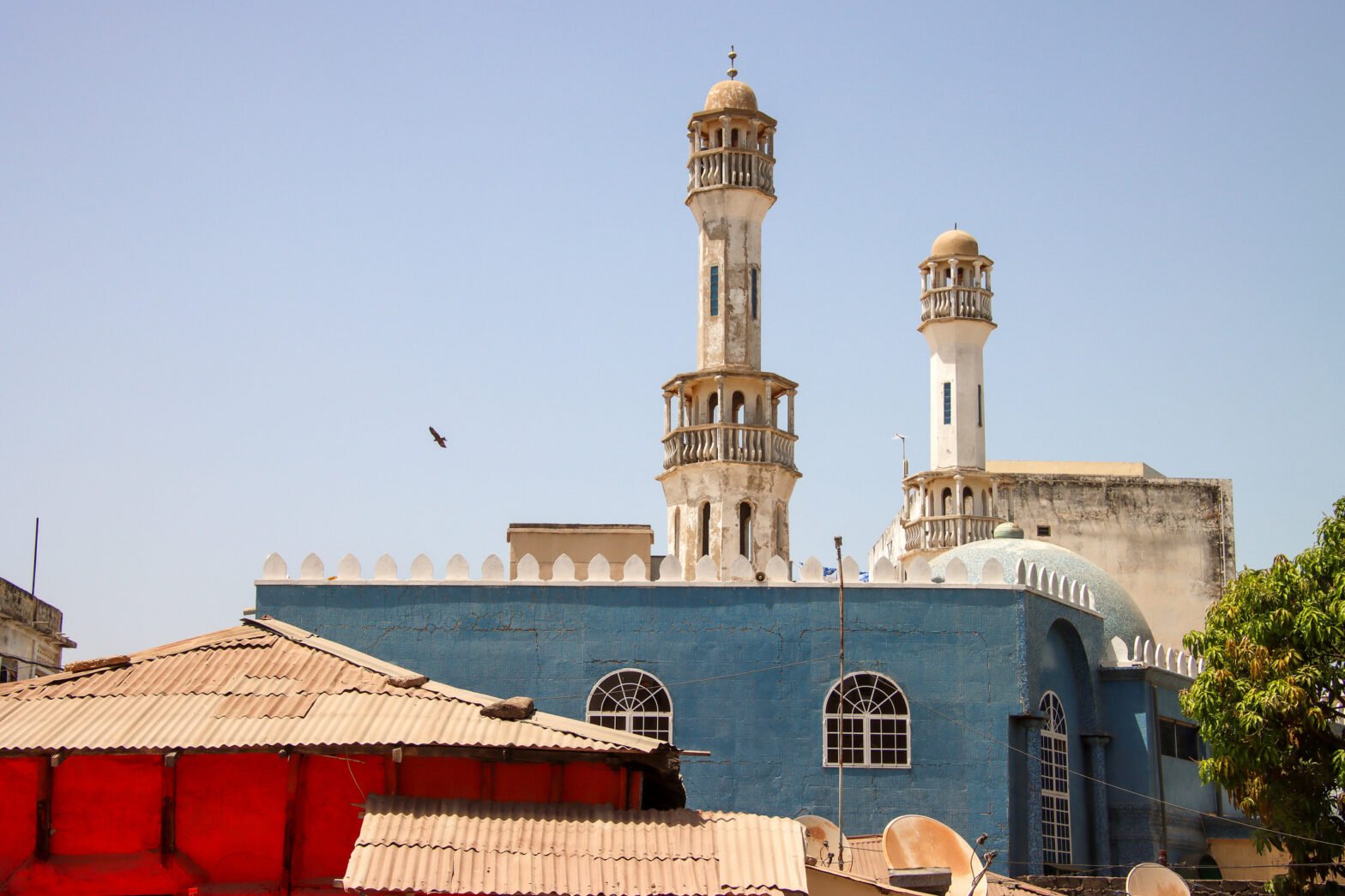
- Gambia’s cultural, religious, and societal norms (i.e., it is a majority-Muslim country with largely conservative attitudes toward LGBTQ identity and modesty, among other issues). Travelers should also be mindful of local customs during Ramadan.
- Incidents of flooding and power outages
- Whether travelers know and trust anyone in Gambia