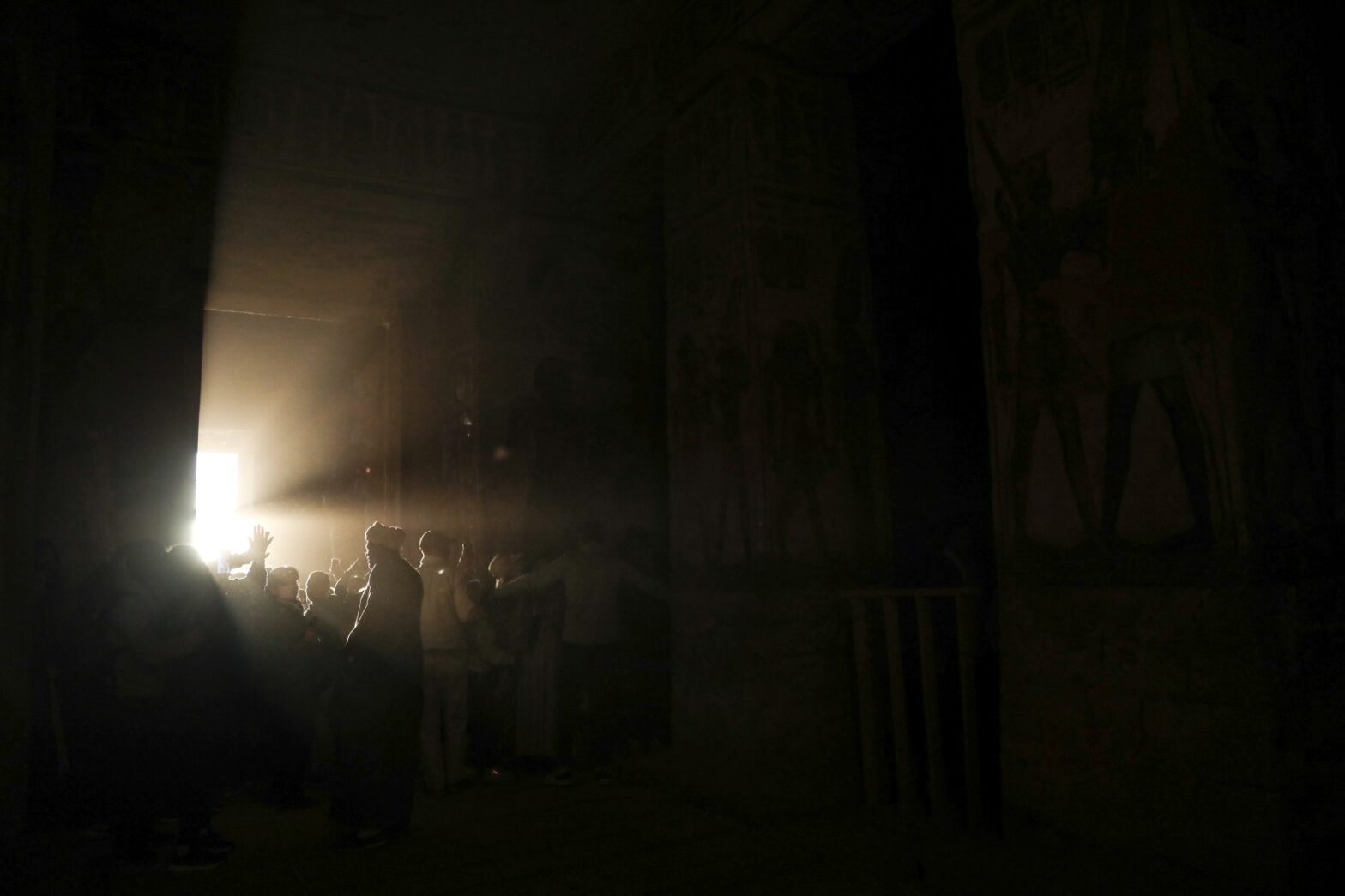
Visitors arriving at the Louvre on Monday, October 19, found the museum closed. Students from the École du Louvre blocked its entrances in support of demonstrations over conditions in French high schools, leaving tourists unable to enter the Paris landmark. The closure followed a weekend of unrest and brought the protests directly into one of the capital’s most visited cultural sites. According to Le Monde, the blockade led to tense exchanges with some visitors who had arrived expecting to tour the museum. The Louvre told the newspaper that the student protest was not directly linked to the museum, although the blockade prevented it from opening normally.
Elsewhere in central Paris, police were preparing restrictions for areas that had experienced looting and violent confrontations. The city’s tourism office later stressed that its principal museums, monuments, restaurants, and shops were generally operating, with individual exceptions. For people arriving with museum tickets, restaurant reservations, and train connections, access to certain streets and services had become less predictable.
US Embassy Warns Americans After Violent France Protests
In an October 19 security alert, the US Embassy in Paris warned Americans about demonstrations that turned violent two days earlier. Officials reported partial curfews in cities including Lille and said additional restrictions could follow. “Avoid the areas of the demonstrations,” the embassy advised. The warning did not instruct Americans to avoid entire French cities.
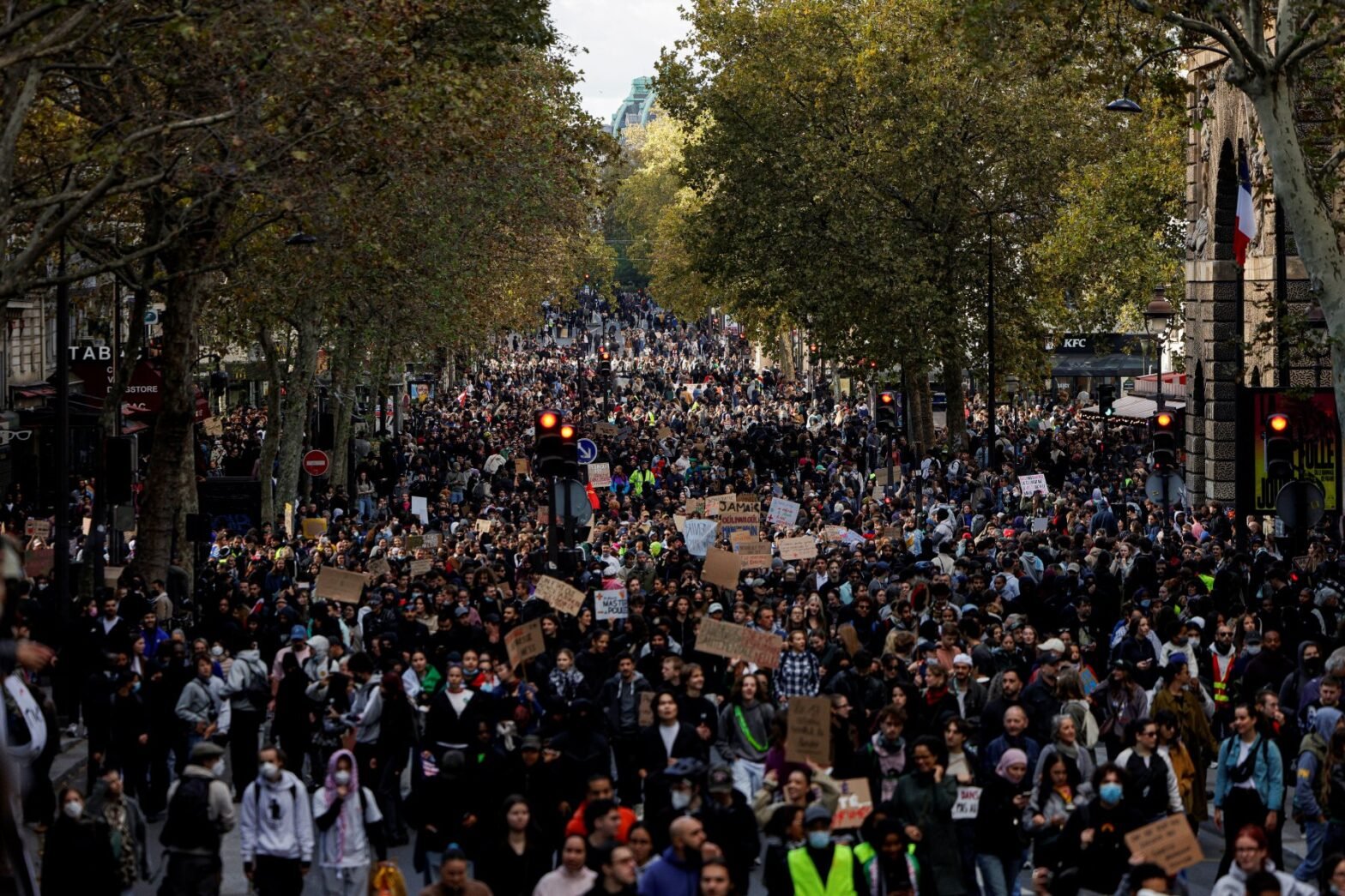
Student protests over school funding and conditions had expanded into wider demonstrations against rising living costs and declining public services. During the October 17 weekend, groups clashed with police, looted stores, and set fires. Reuters reported that thousands were arrested as governments in Europe and Asia issued their own warnings.
French authorities introduced localized curfews in Paris, Lyon, Lille, and Nice. Paris police restricted access around Place de la République and Les Halles between 11 PM and 6 AM. Authorities subsequently extended the nighttime restrictions in those districts through the morning of October 26. In Nice, restrictions specifically targeted minors in designated areas.
The US State Department maintained its Level 2 travel advisory for France in an October 21 update, urging Americans to exercise increased caution due to terrorism and unrest. “Violence and rioting have recently occurred in France and may continue,” the department warned. The advisory also notes that police may use tear gas and water cannons when demonstrations turn violent.
France Protests Disrupt Paris Metro And Tourist Attractions
Paris transit operator RATP closed several Metro stations on October 22, including Bastille, Saint-Paul, and Gare d’Austerlitz, and interrupted service on Line 10 between Gare d’Austerlitz and Jussieu. Further disruptions are scheduled for Saturday, October 24. RATP has announced that several Metro stations, including Charles de Gaulle–Étoile, Concorde, Tuileries, and Champs-Élysées–Clemenceau, will close at 9 AM on October 24 for security reasons. Service will resume once police authorize reopening. Overnight restrictions have also affected République and Châtelet–Les Halles.
The disruptions will extend to some of Paris’s best-known cultural attractions, although most remain open. The Paris tourism office has confirmed that the Louvre, Musée d’Orsay, Grand Palais, Musée de l’Orangerie, and Musée Picasso will close on October 24, while Art Basel Paris will remain closed through October 25. Visitors with advance tickets should check directly with the venues before traveling. The Louvre also requires reservations between October 17 and November 1, with some exceptions.
Further demonstrations are planned for Saturday, October 24, with additional action announced for early November. Americans visiting France should check local news, police updates, and transit service notices before leaving their accommodations. The State Department advises visitors to avoid crowds and areas with significant police activity, follow local orders, and adjust itineraries when necessary. It also recommends enrolling in the Smart Traveler Enrollment Program for embassy alerts. Anyone unable to leave a protest area safely should find shelter until conditions improve.