Travelers taking ferries between the Republic of Ireland and Great Britain will face stricter identification requirements later this month, even though the underlying immigration rules between the two countries are not changing. Beginning Sept. 28, 2026, Irish Ferries and Stena Line will require passengers on several major Irish Sea routes to present valid passports at check-in. That creates an unusual situation for British and Irish citizens, who can normally travel between the two countries without a passport under the Common Travel Area.
The UK government continues to state that British nationals are not legally required to show a passport to enter Ireland. Ferry operators can, however, impose their own identification requirements for boarding, and the government now advises passengers to check carrier policies before departure. Irish Ferries says its new policy is intended to meet UK Border Force requirements concerning the “accuracy and integrity of passenger data before boarding.” As a result, some passengers who do not legally need a passport to enter their destination will still need one to board their ferry.
Which Britain-Ireland Ferry Routes Will Require Passports?
Irish Ferries will introduce the requirement on its Dublin-Holyhead and Rosslare-Pembroke services in both directions. From Sept. 28, all passengers on those routes must present a valid passport or Irish passport card before boarding. The requirement applies to British and Irish citizens, as well as other nationalities, regardless of age. Driver’s licenses, national identity cards, and other forms of photo identification will no longer be accepted by Irish Ferries on the affected routes.
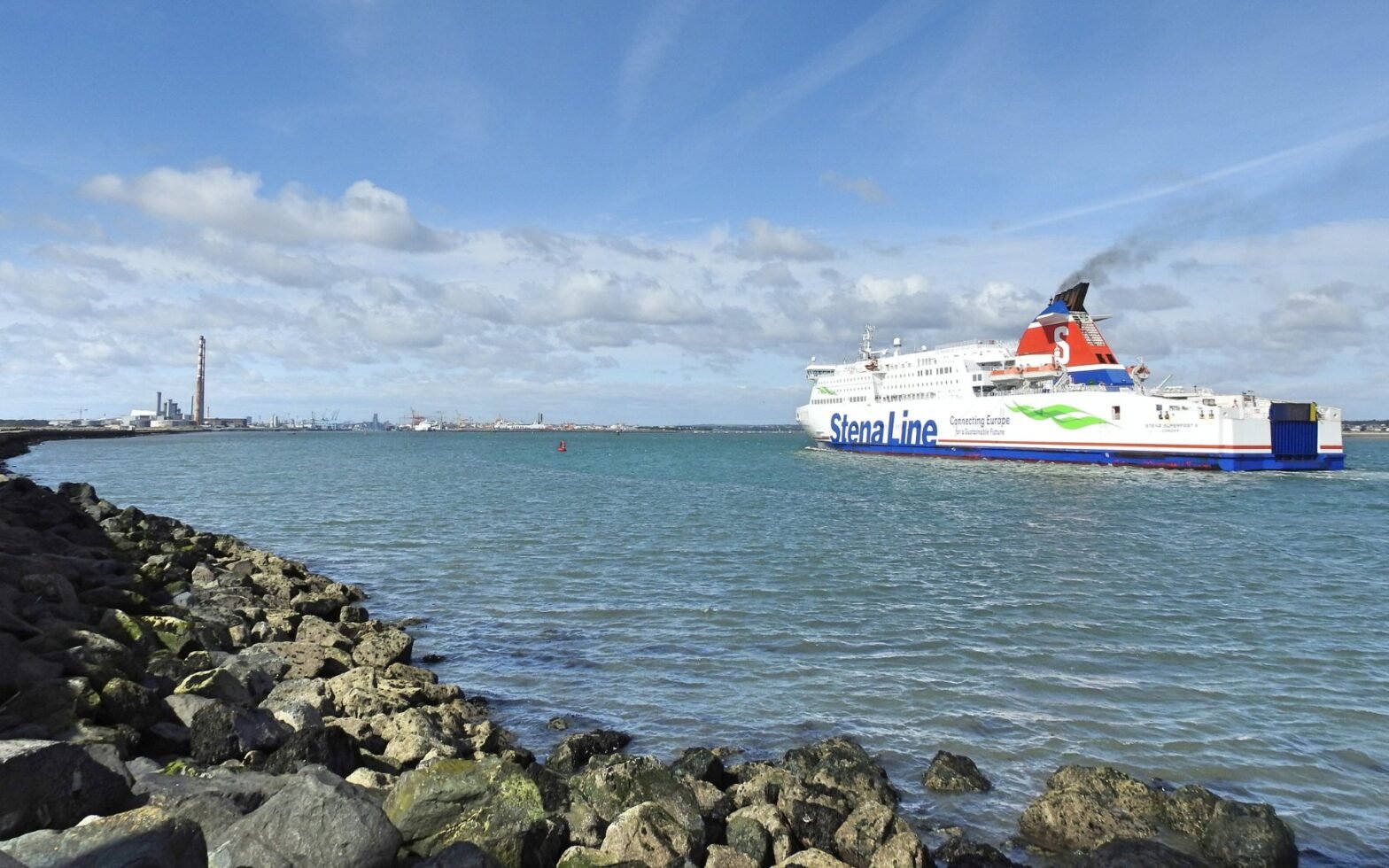
Stena Line is making a similar change to its Holyhead-Dublin and Fishguard-Rosslare routes. The operator says that beginning Sept. 28, all passengers traveling from Dublin, Holyhead, Fishguard, or Rosslare must present a valid passport at check-in. Stena also tells customers to make sure the names, dates of birth, genders, and nationalities entered when booking exactly match the photo identification presented at the port. The rule applies to everyone, including infants. Stena warns that inaccurate passenger details could prevent a customer from boarding.
The change does not amount to a passport requirement for every ferry journey between Britain and the island of Ireland. Stena’s official notice specifically applies the new requirement to its Holyhead and Fishguard routes, while Irish Ferries lists Dublin-Holyhead and Rosslare-Pembroke. Travelers using other crossings should check their individual carrier’s identification requirements before departure. The rule also does not change the Common Travel Area arrangements that allow British and Irish citizens to travel freely between the two countries.
What Travelers Need To Know About ETA And Visa Rules
The new ferry identification policies are separate from the UK’s Electronic Travel Authorization and visa requirements. British and Irish citizens do not need an ETA to enter the UK. People who already have permission to live, work, or study in the UK, including those with qualifying UK immigration status, are also exempt.
An additional exemption applies to certain legal residents of Ireland. A traveler from a country whose citizens would normally require an ETA does not need one when entering the UK from Ireland, Guernsey, Jersey, or the Isle of Man if they legally live in Ireland. However, travelers aged 16 and older using this exemption must bring qualifying proof of Irish residence, such as a valid Irish Residence Permit or another approved original document issued by the Irish government. Nationals of countries that require a UK visa must still obtain the appropriate visa before traveling.
For journeys in the opposite direction, British nationals remain covered by the Common Travel Area and are not legally required to present a passport to enter Ireland. The UK government nevertheless warns that some airlines and ferry operators have introduced, or are introducing, passport-only identification requirements.