nex·us (noun): A relationship or connection between people or things.
San Francisco holds a unique place in my heart.
I first visited the city in 2024 with a Bay Area native who wanted to show me where he was from. He gave me the perfect San Francisco tourist experience: the Golden Gate Bridge, Alcatraz, great dinners, and plenty of sightseeing. We stayed at the St. Regis, where the Museum of the African Diaspora, better known as MoAD, is on the ground floor. As an artist myself, I was curious but didn’t get around to visiting.
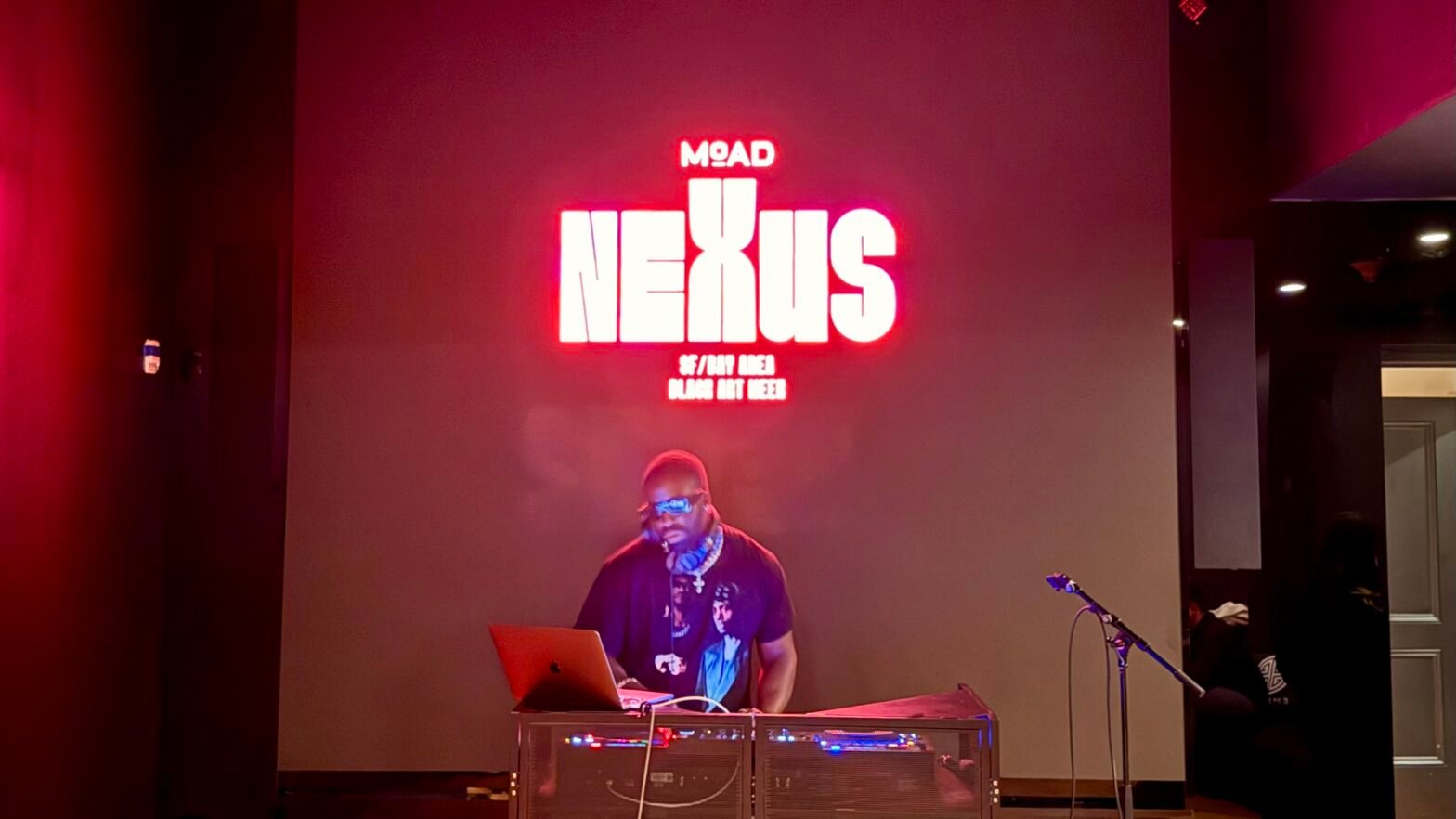
Two years later, I returned to San Francisco. This time, MoAD was the reason. As fate would have it, the museum was presenting the third edition of Nexus: SF/Bay Area Black Art Week.
This year, the weeklong regional celebration brought together more than 80 arts organizations and creative spaces, over 100 artists, and more than 200 exhibitions, programs, and experiences across the stunning Bay Area.
The System
During the event, in every sense of the word, I hopped between museum exhibitions, gallery walkthroughs, parties, and conversations across San Francisco and Oakland, ending my trip across the Golden Gate Bridge in the Marin Headlands. Coming from New York City, where the art world can sometimes feel like clusters of private clubs, the Black art community I experienced in the Bay Area felt like a remarkably open network. People talked to one another, introductions happened easily, and opinions and advice were given freely, solicited or not.
Monetta White, executive director and CEO of MoAD, says this convergence of creative circles is precisely what Nexus was created to celebrate.
“Our creative identity isn’t defined by one institution or one city. It’s an ecosystem that stretches across the region, and that interconnectedness is one of our greatest strengths,” White told Travel Noire.
As important as the art itself, Nexus showcases the Bay Area’s luminous, exciting, supportive, and beautifully connected arts community. Who knew?
San Francisco
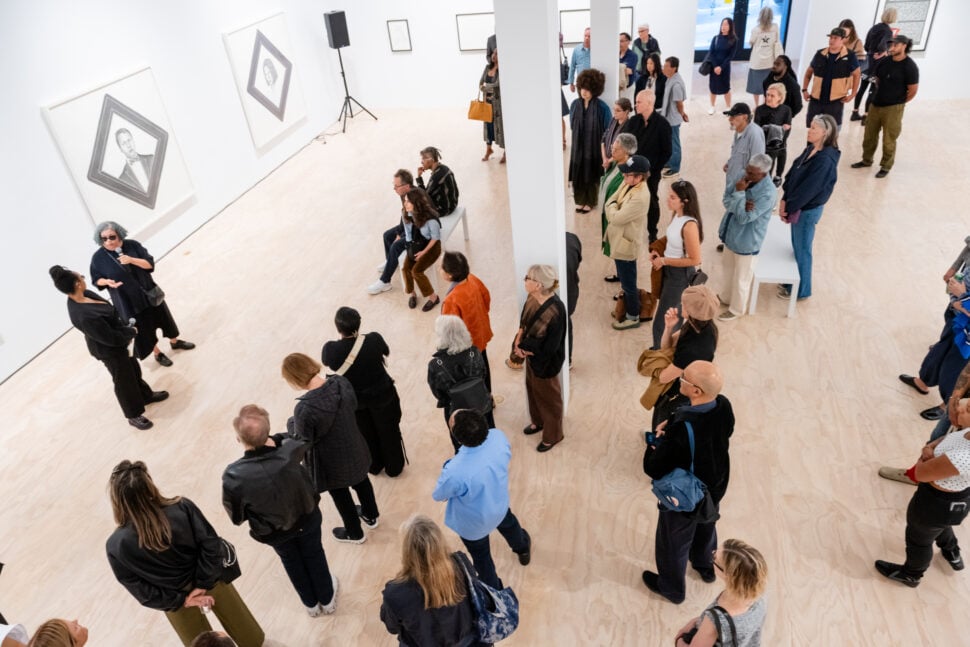
My Nexus experience started at Jessica Silverman Gallery. There, Cornelia Stokes, assistant curator of the Art of the African Diaspora at SFMOMA and MoAD, guided us through concurrent solo exhibitions by Lava Thomas and Sadie Barnette, alongside the artists themselves.
Located on Grant Avenue in the middle of Chinatown, the gallery has the expected crisp gallery vibes, which turned out to be unusually singular during Nexus. The week’s programs take you beyond classic white-walled galleries, and it didn’t take long for me to discover that.
Later that evening, I visited Jenkins Johnson Gallery, which presented David C. Driskell: Wake Up Everybody. The gallery sits inside Minnesota Street Project, a large San Francisco arts complex where multiple galleries and arts organizations operate under one roof. Think “art mall,” but elevated.
After a quick return to the San Francisco Marriott Marquis, my hotel for the weekend, I headed back out for a private Nexus gathering at Empire Records. Empire is a sexy, nondescript spot, complete with a mini pool that didn’t appear to be meant for swimming. Just vibes. We danced and socialized well past midnight.
Oakland
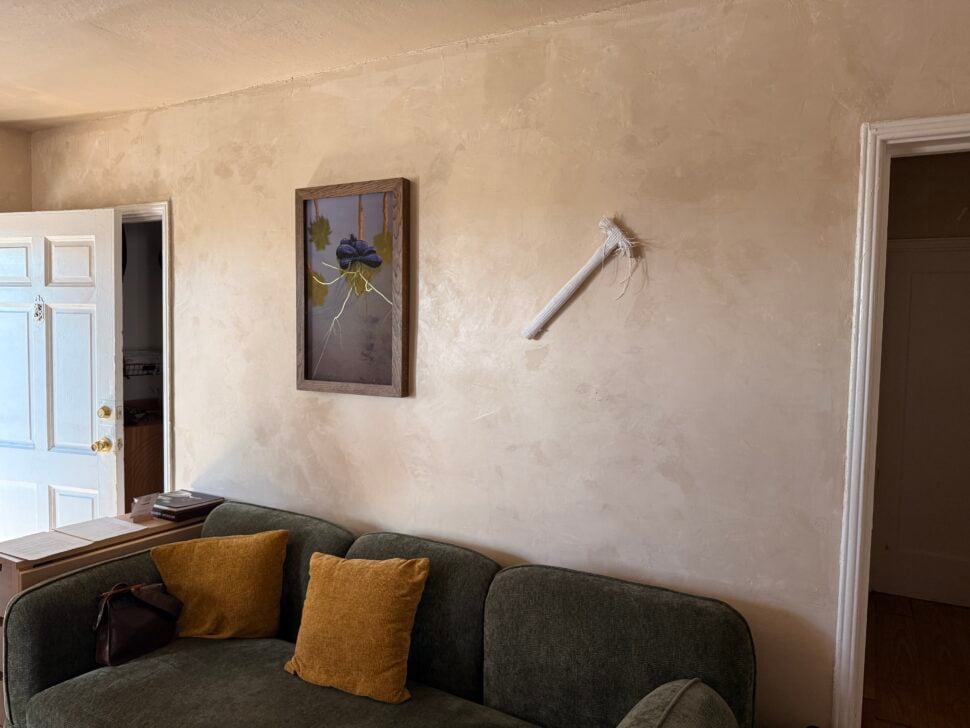
The next day, we crossed the Bay Bridge into Oakland. The first stop was one of my favorites: Streetlight Gallery, a literal home.
Streetlight operates from the East Oakland residence of founders Nyallah Muntaqim and Musa Bey. It’s the most classic idea of an Oakland dwelling: a midcentury apartment in a low-rise residential building, with an exterior staircase leading to the upstairs unit, warm plaster walls, hardwood floors, and arched interior doorways. Perfect. The gallery describes itself as a “community-driven space” interested in rethinking both how fine art is consumed and who gets to consume it.
From there, we went to the Oakland Museum of California for Mildred Howard: Poetics of Memory. I hadn’t previously experienced Howard’s work, which made discovering the depth of her relationship to the Bay Area particularly moving. Born in San Francisco and a lifelong East Bay resident, Howard has spent five decades working across collage, found-object sculpture, and immersive installation, exploring memory, identity, and the Black experience. Poetics of Memory was the first major museum exhibition devoted to her practice.
Encountering Streetlight and Howard on the same day was a very inspiring few hours. One space relied on natural light flowing through the windows, while the other used measured professional lighting to illuminate gigantic sculptures and installations. Yet both possessed an indescribable Bay Area warmth.
Los Angeles Came To Us
We never made the six-hour drive south to Los Angeles. We didn’t have to.
Back in San Francisco, Los Angeles gallerist Jacqueline “Jac” Forbes brought Southern California into the conversation through Art eXodus: From North to South, The Coast, an exhibition curated especially for Nexus at Four One Nine. The show was conceived to connect the work of Los Angeles artists with that of artists in the Bay Area. Walking through the exhibition with the fabulous Forbes reinforced the idea of art communities on the West Coast talking to one another.
A Gala Built Around Lineage
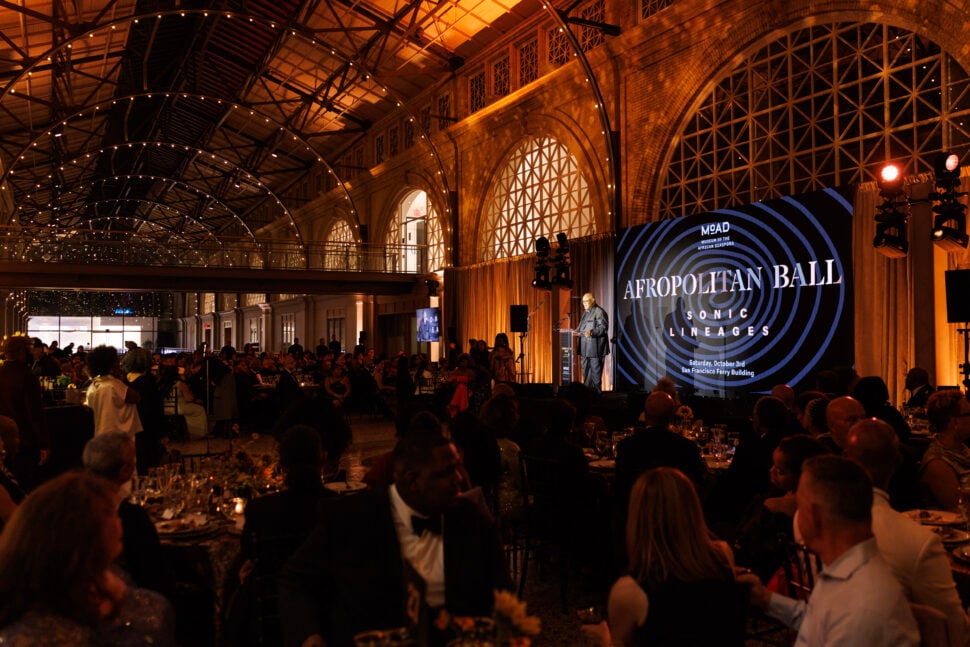
Saturday night brought me to the San Francisco Ferry Building for MoAD’s Afropolitan Ball.
This year’s theme, Sonic Lineages, took its cue from Bay Area artist Dewey Crumpler’s MoAD exhibition of the same name. The evening honored Crumpler with MoAD’s inaugural Vanguard Award.
The gala program described the diaspora as what happens when people and culture move, gather, transform, and continue speaking across generations. Nexus literally did just that. All week, people moved between San Francisco and Oakland, between galleries and museums, between private homes and formal institutions. By the gala, many of those people were gathered in one room.
Across The Golden Gate
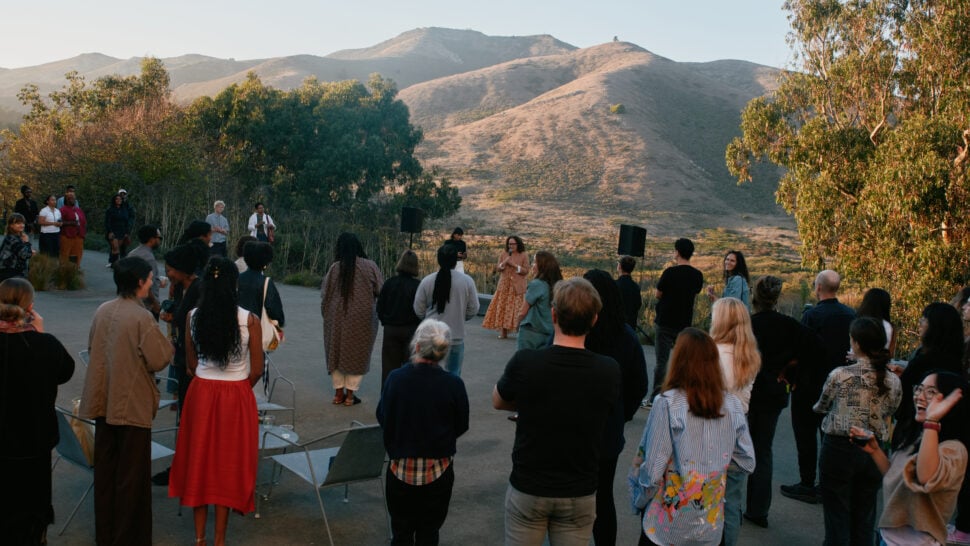
My final Nexus experience required leaving San Francisco again. But not far!
We crossed the Golden Gate Bridge and headed into the Marin Headlands for Black Feast: Nectar, presented in collaboration with Headlands Center for the Arts and Nexus.
The Headlands is a gorgeous, peaceful, and rejuvenating place. As you drive there, San Francisco quietly disappears into the surrounding natural landscape. Inside one of the artist-rehabilitated military buildings located on the campus, chef and interdisciplinary artist Salimatu Amabebe’s Black Feast movingly transformed dinner into an artwork.
Founded in 2017, Black Feast celebrates Black queer and trans artists through food. The night’s performance centered on Oakland-based artist Gabriele Christian, whose research examines Black outmigration from San Francisco alongside the decline of native and “kept” bee populations. Christian’s piece, “nectarine,” responded to a 1987 collaboration between the artist’s mentor, former Headlands resident Joanna Haigood, and sculptor Mark Thompson.
Food arrived in courses (everything was delicious), and the performance began around us. A dreamy experience.
More Than An Art Week
It’s easy to judge an art destination by its biggest museums, blue-chip galleries, or marquee exhibitions. Clearly, the Bay Area plays just as hard as anywhere else. But Nexus moved me to consider something more important: How welcome does a place or community make people feel?
Not every interaction at Nexus was perfect, but there was a generosity to much of it. The event made the Bay Area’s beautiful ecosystem clearly visible.
On my first trip to San Francisco, I stood near MoAD without making it through the door. Two years later, the museum brought me back and opened my eyes to a beautifully connected, solid Black arts community on the West Coast. Pure magic.